@timtfj Neither Gutenberg nor his near-followers would have cared about English at that time, I'm pretty sure. They cared about Latin and German, but, well, within the Holy Roman Empire, proto-German came in a thousand different varieties, so a bunch of languages that are now considered to be not quite German were covered by falling into the same Sprachbund (and being written by as same script as feasible in an era of every scribe having a slightly different hand).
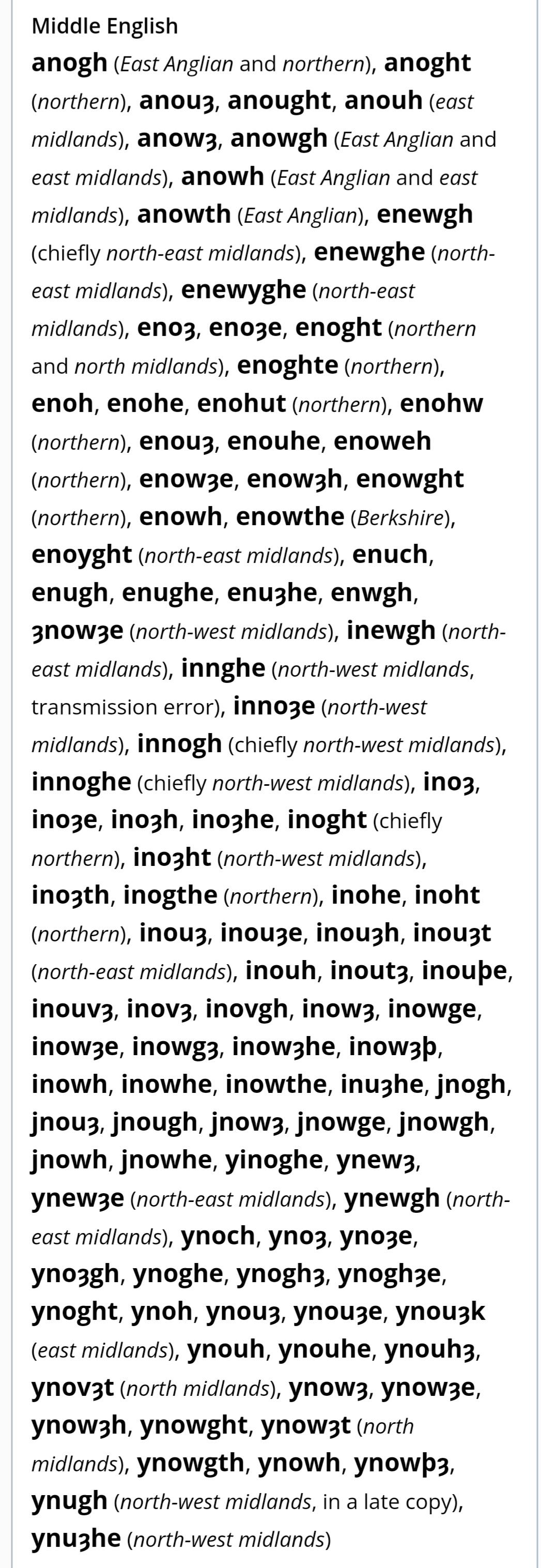
Implementing support for the English peculiarities would have fallen upon those who imported the printing tech from the continent, and, well, it looks like they were enough of cheapskates to give up on þ. Perhaps they had heard how unprofitable Gutenberg's own business had been and were wary of putting more money into it than they strictly had to, and by the time it was clear there was money in printing, þ had already gone out of fashion. Or perhaps they foresaw they'd be printing much cheaper books than the Gutenberg Bible, and they thought that if they made three more letters, they'd also have to make hundreds of the scribal contractions that used to go with utilitarian-class manuscripts and records. It's also possible that there was some sort of delay in importing the know-how of typemaking, and for a while, the early English typesetters were stuck with Dutch-made type.
Contrariwise, it seems that the early French printers were quite keen on adding the many French diacritics. Interestingly, at the time, German didn't yet even generally use umlaut as we now know it; the proper form for marking the phonetic umlaut was considered to be a small 'e' letter above the base vowel: aͤ, oͤ, uͤ. The use of diæresis to mark umlaut came later; I don't entirely know its origins, but I'd speculate it may have been a narrow scribal practice that caught on, but it might also have been influenced by the French trema, although it marks a different phonetic construct, as in ë, ï, ü within diphthongs.
As prestige classes go, well, the Catholic way of calling everything non-Latin 'vulgar languages' was still influential, and much of the modern European ethnogenesis hadn't even taken place yet. By that time, the royal court of England was not entirely a French-fest anymore, but for most English-speaking commoners, their primary ethnic identity would have been more tied to their locality than to England as a concept. This also applied to France at commoner and commerce level, even though French tended to have a higher prestige class than English in international use due to its lingua franca status.
@dancingtreefrog