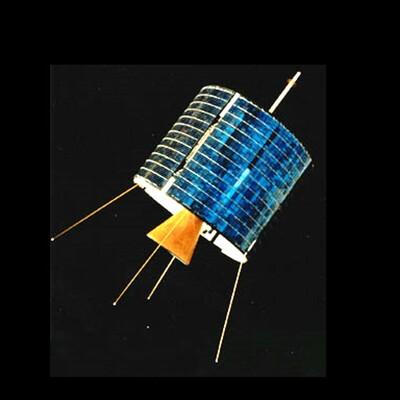
Successful launch of the NASA Nancy Grace Roman Space Telescope.
🚀 🔭 👍
https://www.youtube.com/watch?v=9wq3VHsL_bE
Note that it will take a few weeks to reach the Sun-Earth L2 Lagrange point, 1.5 million km away.
8/n
Successful launch of the NASA Nancy Grace Roman Space Telescope.
🚀 🔭 👍
https://www.youtube.com/watch?v=9wq3VHsL_bE
Note that it will take a few weeks to reach the Sun-Earth L2 Lagrange point, 1.5 million km away.
8/n
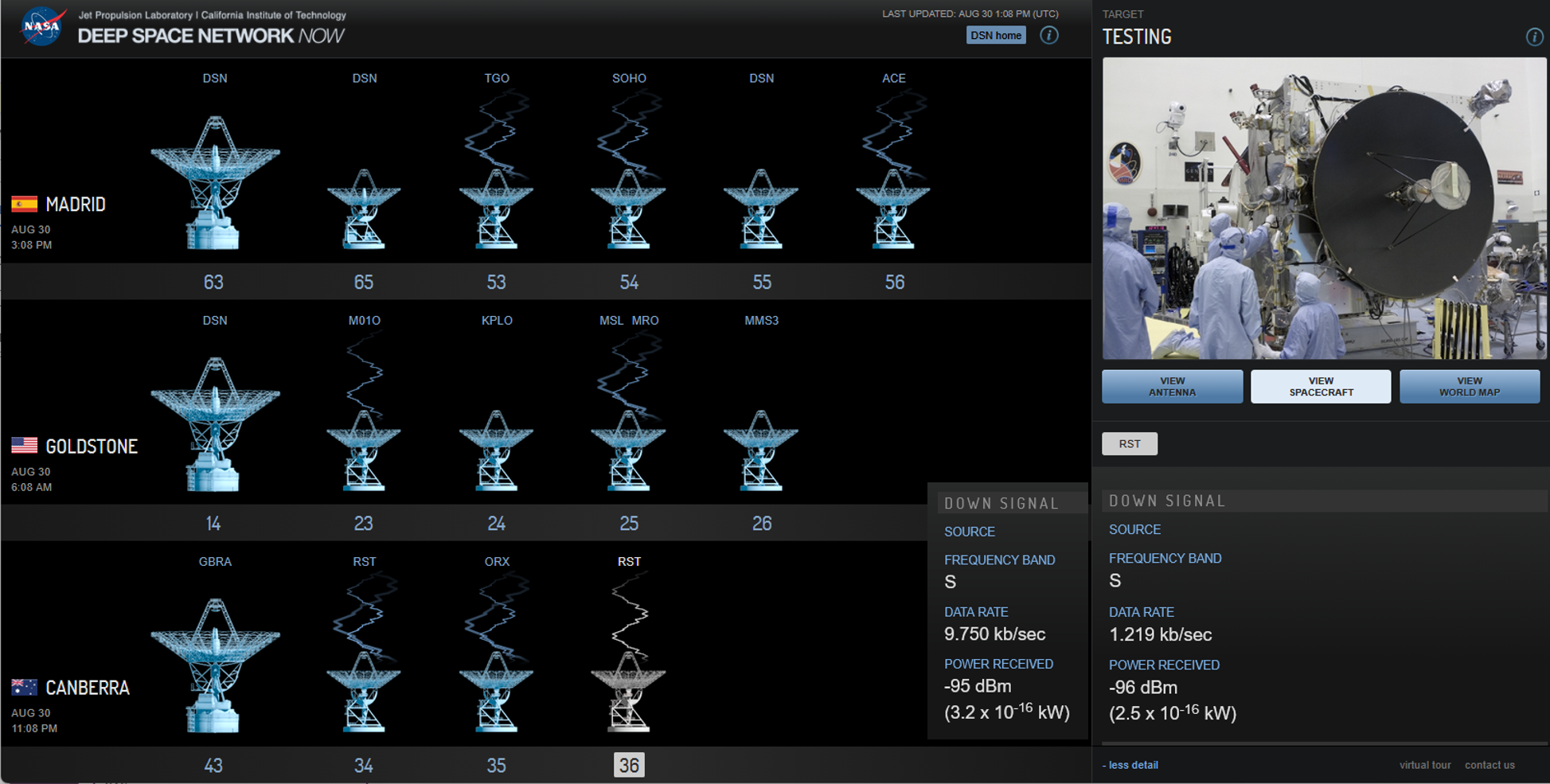
The NASA Nancy Grace Roman Space Telescope is communicating with DSN Canberra, over S-band at low data rate. (shown as RST on the DSN website).
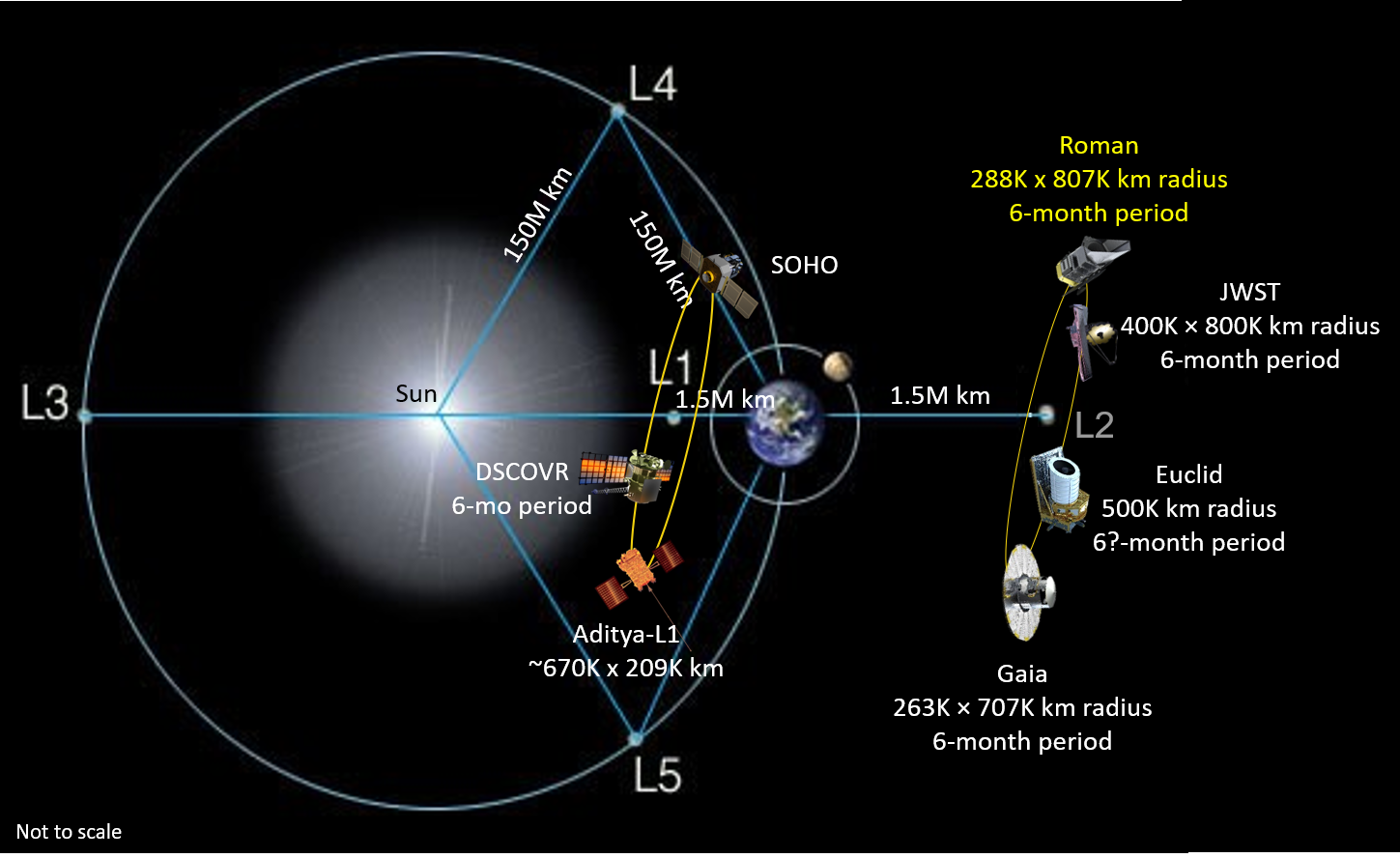
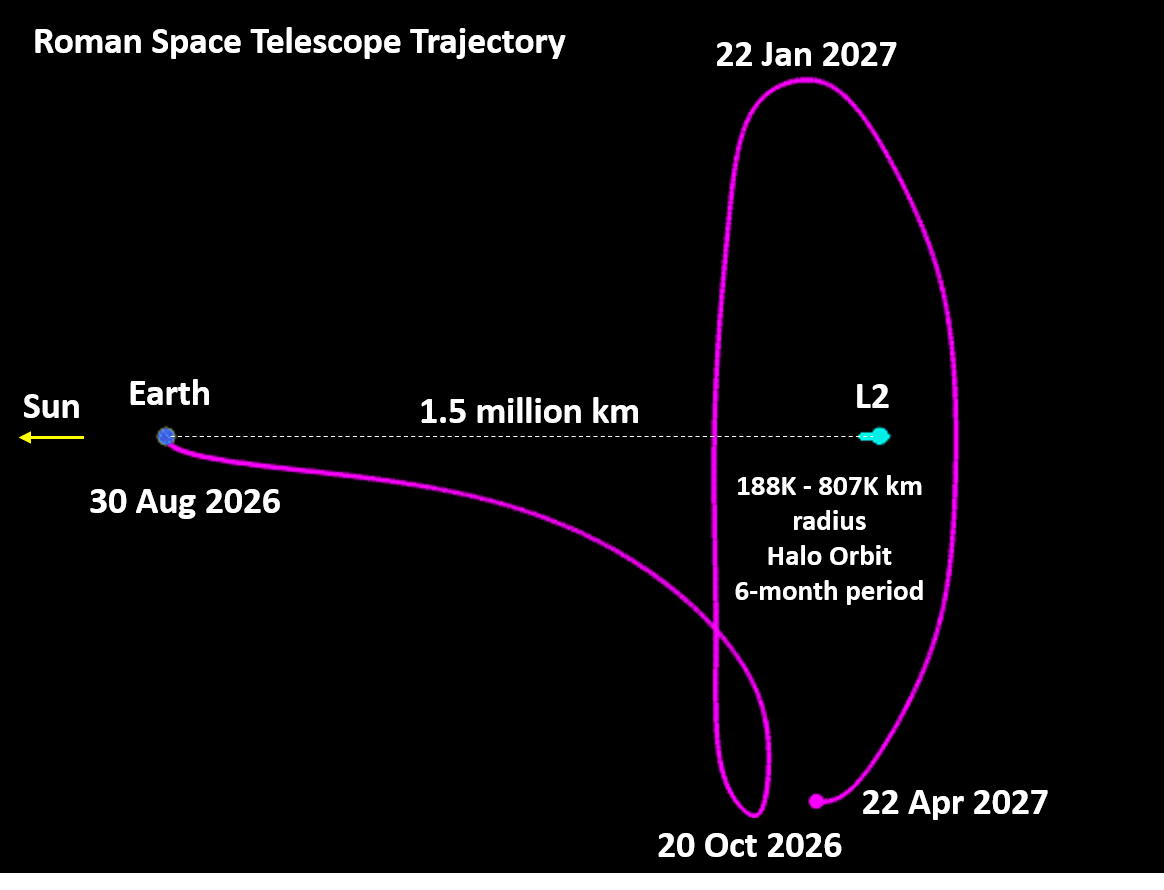
Here is the planned trajectory of the Roman Space Telescope (RST) over the next 7 months, as RST travels to the Sun-Earth L2 Lagrange point 1.5 million km away and enters a 6-month Halo orbit around L2.
https://en.wikipedia.org/wiki/Nancy_Grace_Roman_Space_Telescope
10/n
The NASA Roman Space Telescope (RST) will join other space telescopes in halo orbits around the Sun-Earth L2 Lagrange point, 1.5 million km away.
At the Sun-Earth Lagrange points, an object can orbit around the Sun at the same period as Earth, as the centrifugal force balances out the gravitational forces of the Sun and Earth.
This enables space telescopes to stay on the same side of Earth and stay pointed at celestial objects for extended periods of time.
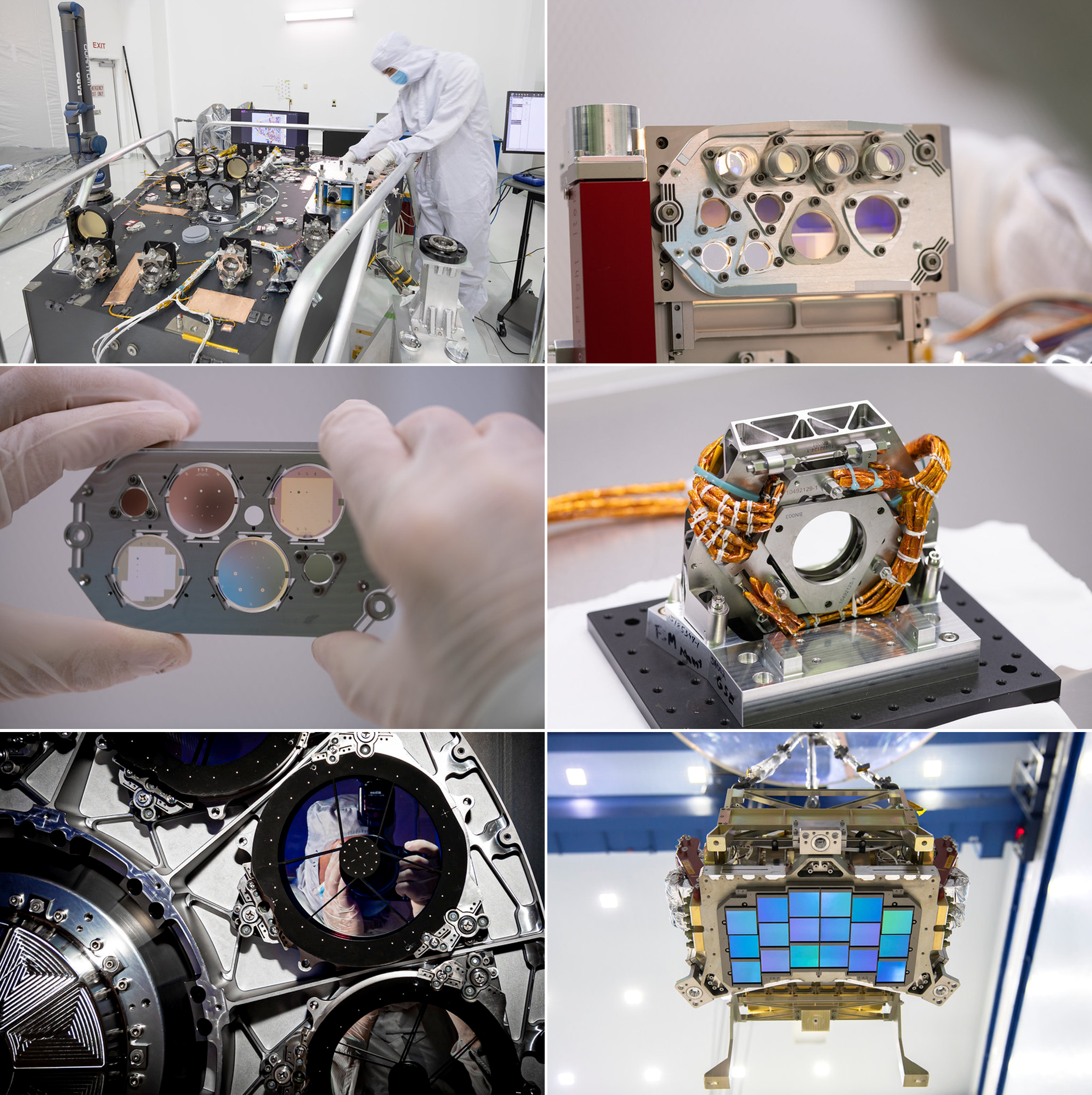
Some fascinating images of the various parts and subsystems of the instruments aboard the NASA Roman Space Telescope.
Nancy Grace Roman (May 16, 1925 – December 25, 2018) - American astronomer, first female executive at NASA, one of the “visionary founders of the US civilian space program”, aka as the “Mother of Hubble”, active public speaker and educator, and an advocate for women in the sciences.
https://en.wikipedia.org/wiki/Nancy_Grace_Roman
https://www.flickr.com/photos/hubble_esa/44477663304/
13/n
From https://mag.uchicago.edu/science-medicine/wider-scope -
“I have no soft spot for the University of Chicago,” says Nancy Grace Roman, PhD’49.
Roman estimates she was making no more than 60% of what her male colleagues earned.
When she brought her concerns to the dept chair, Subrahmanyan Chandrasekhar, the Indian-born astrophysicist who went on to win a Nobel Prize, he told her, “We don’t discriminate against women. We can just get them for less.”
“I would have thought he’d understand discrimination,” says Roman.
14/n
"To women already in STEM (science, technology, engineering, and math) who are still experiencing sexism, Roman says: “Persevere. Things are better than they used to be. Women now can and do get professorships; women are heads of observatories and departments.”
But the number of women in senior academic positions is not commensurate with the number of women in the field, she says, and advises they prepare for inevitable problems."
A short documentary on Nancy Grace Roman and her journey from the stifling male-dominated halls of the U of Chicago to becoming a trailblazing astronomer and top leader at NASA.
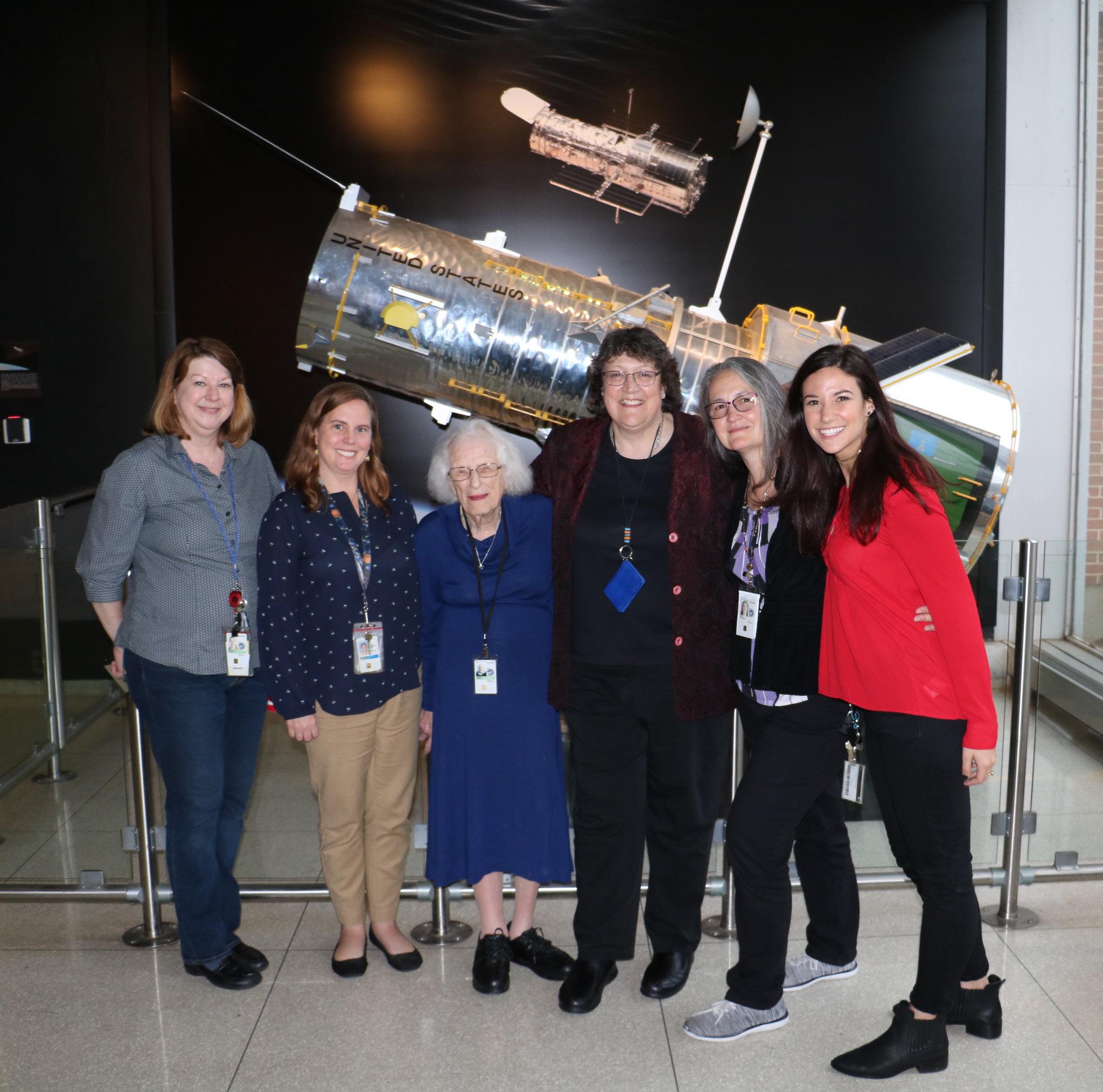
Pic of Nancy Grace Roman with Women of Hubble.
Dr. Nancy Grace Roman at the Space Telescope Operations Control Center at NASA Goddard on March 31, 2017, with some women from the Hubble Space Telescope project. Left to right: Beverly Serrano, Morgan Van Arsdall, Nancy Grace Roman, Olivia Lupie, Padi Boyd, and Erin Kisliuk.
She was almost 92 years old at that time.
Credit: NASA/GSFC/Jim Jeletic
More pics at https://www.flickr.com/photos/nasahubble/with/41294385755
17/n
After 21 years at NASA, Roman took early retirement in 1979 partly to take care of her elderly mother.
She continued as consultant and contractor until 1997.
Roman then spent many years teaching advanced junior high and high school students and K-12 science teachers, esp. in underserved areas. Served the blind and dyslexic. And gave public talks in senior centers, universities and churches.
There is much we can learn from Roman's life and apply to ours.
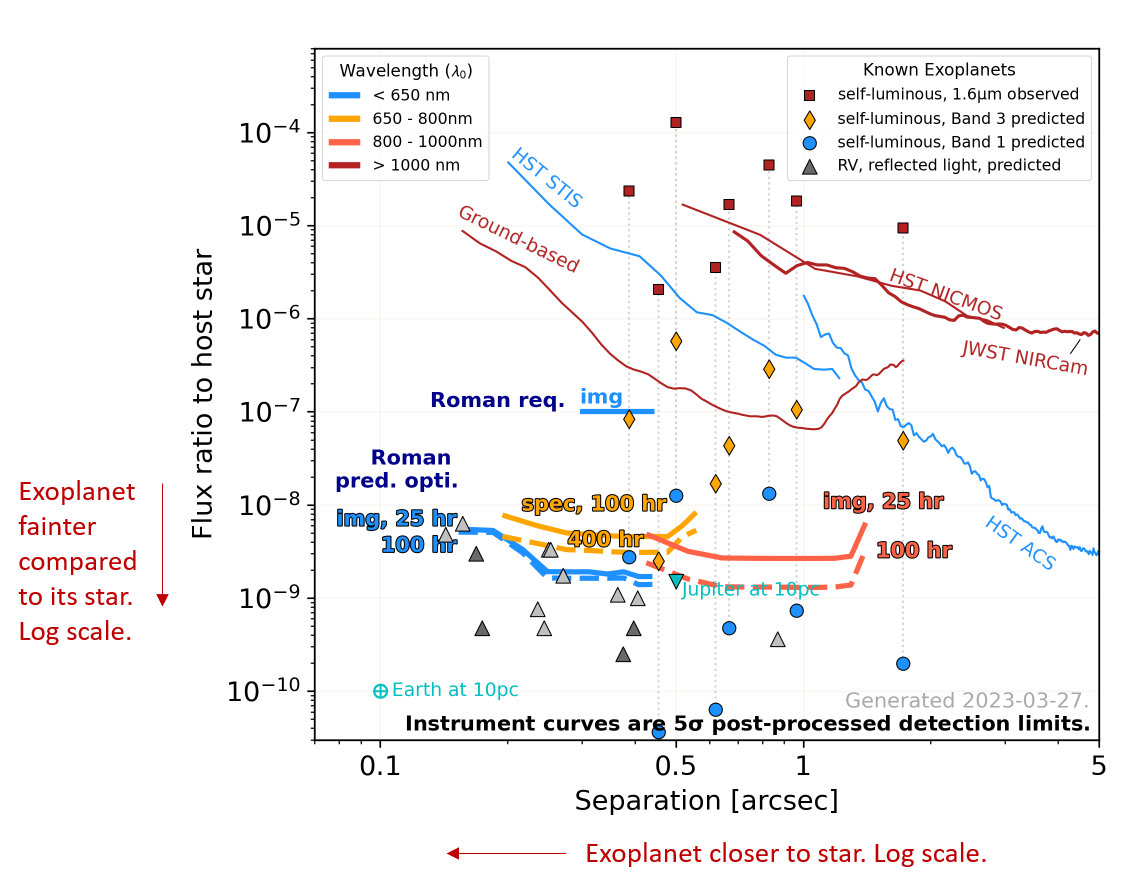
Predicted performance of the Roman Space Telescope Coronagraph for observations of exoplanets.
The Roman Coronagraph is designed to detect planets 100 million to 1 billion times fainter than their stars, or 100 to 1,000 times better than existing space-based coronagraphs. The Roman Coronagraph will be capable of directly imaging reflected starlight from a planet akin to Jupiter in size, temperature, and distance from its parent star.
https://roman-docs.ipac.caltech.edu/roman-instruments/roman-coronagraph-instrument
https://www.jpl.nasa.gov/missions/the-roman-coronagraph-instrument/
19/n
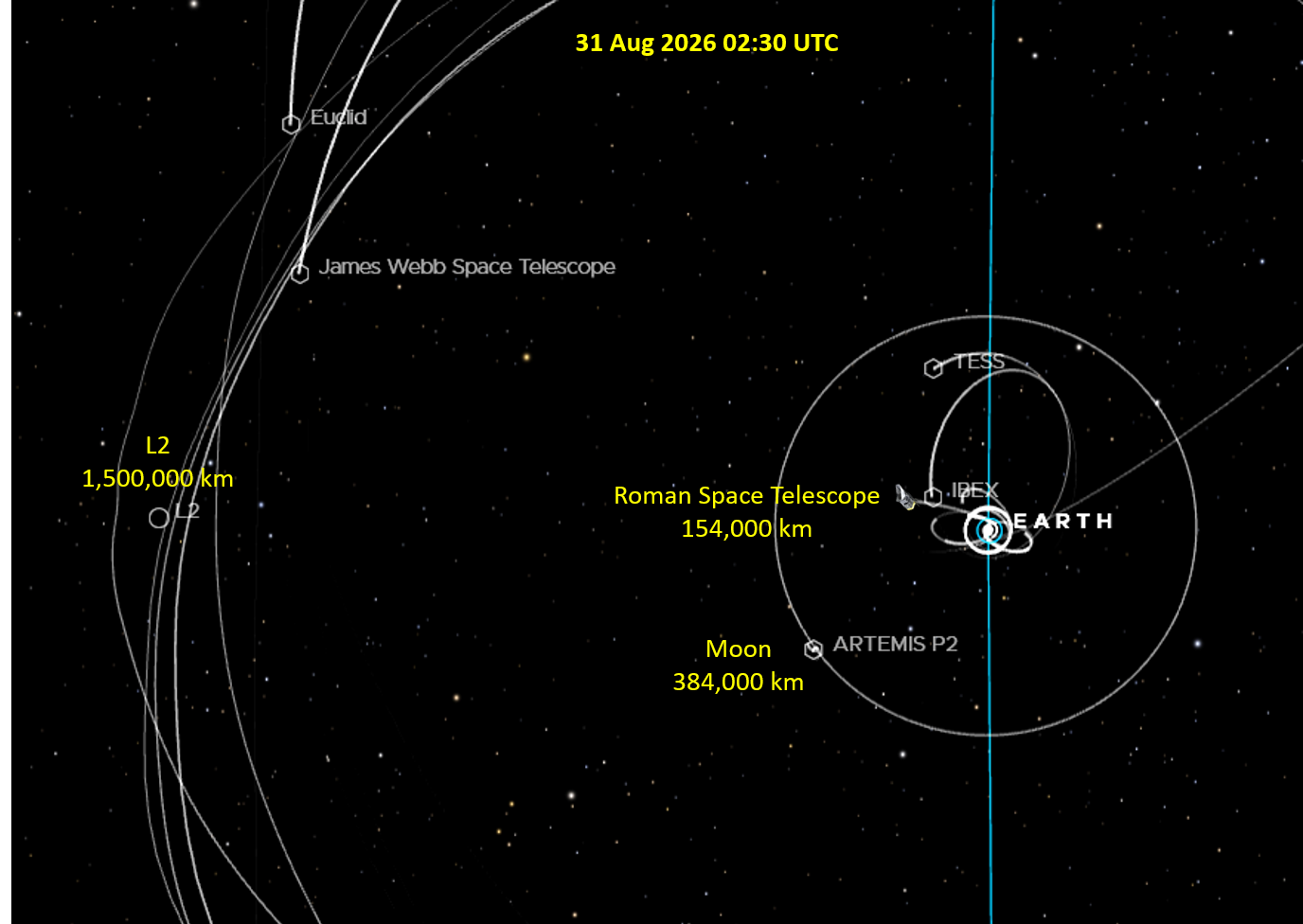
The Roman Space Telescope, 15 hours after launch, is ~154,000 km from Earth, ~40% of the distance to the Moon's orbit, traveling at 7,500 km/h relative to Earth.
Go RST!
https://eyes.nasa.gov/apps/solar-system/#/sc_roman_space_telescope?to=earth
20/n
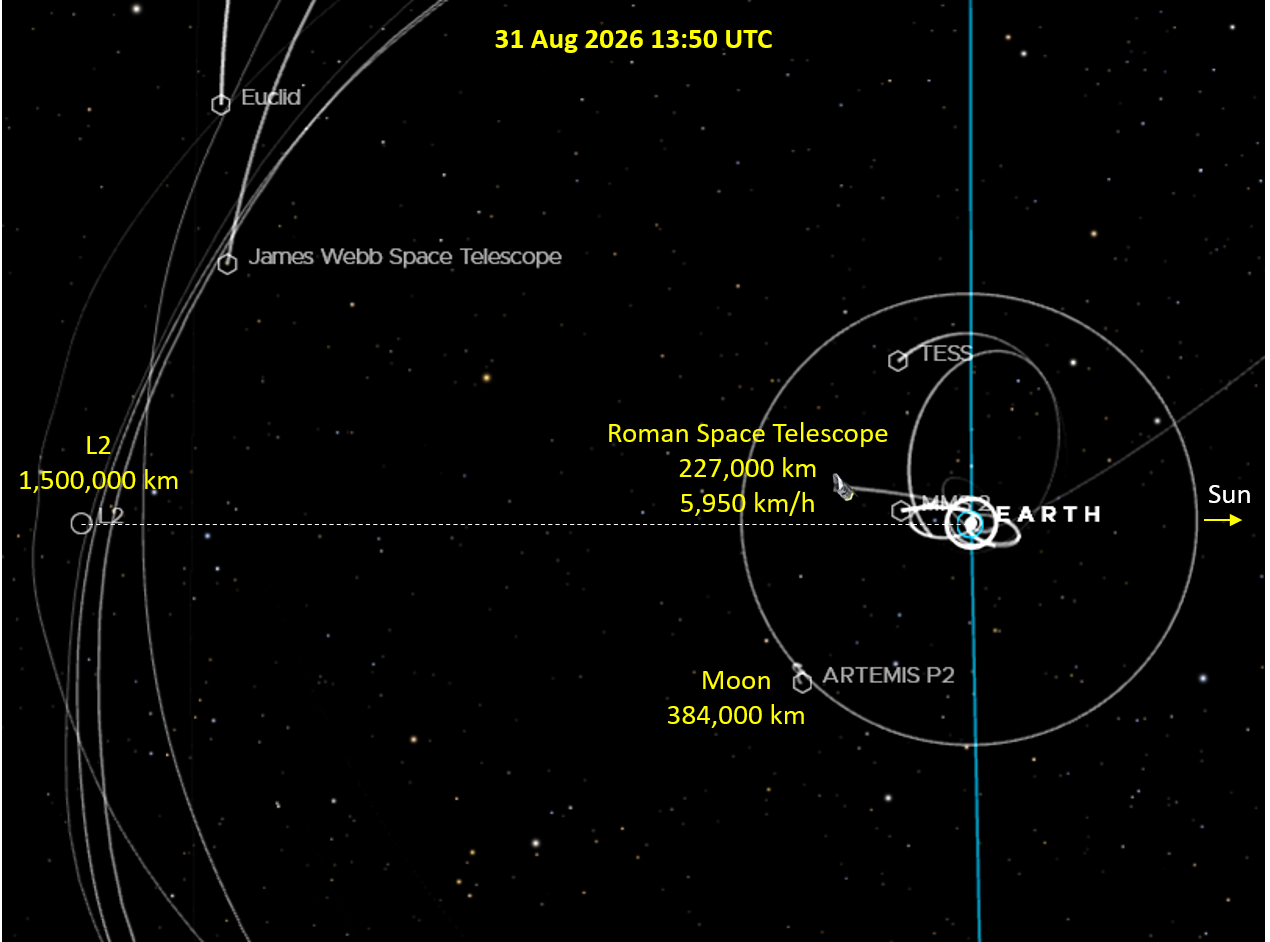
The Roman Space Telescope, 26.5 hours after launch, is ~227,000 km from Earth, about 60% of the distance to the Moon's orbit, 15% of the distance to L2, traveling at 5,950 km/h relative to Earth.
Note that its speed will decrease as it travels farther away from Earth towards L2.
https://eyes.nasa.gov/apps/solar-system/#/sc_roman_space_telescope?to=earth
21/n
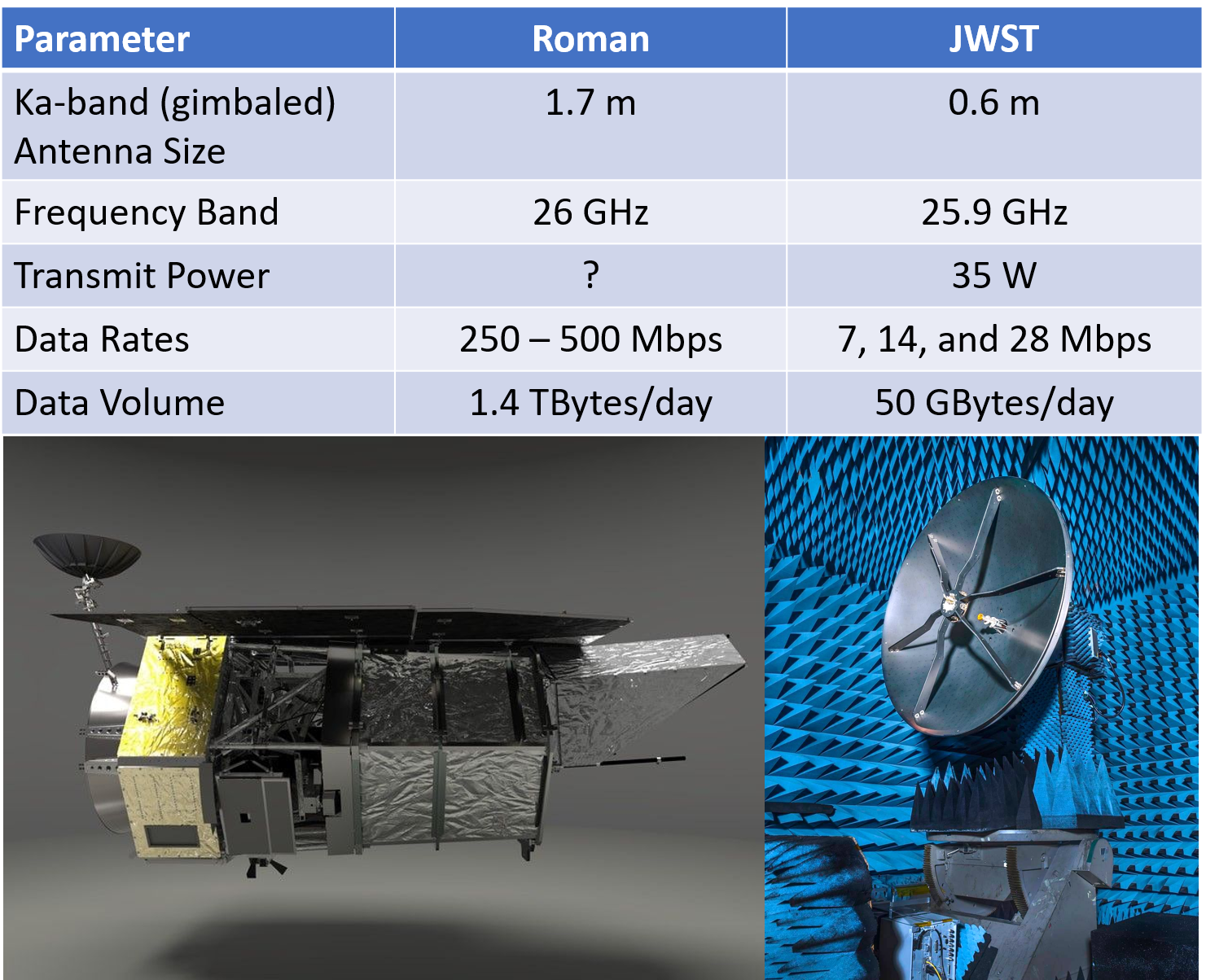
The Roman Space Telescope will transmit science data back to Earth at a whopping 250 - 500 Mbps rate from a distance of 1.5 million km (5 light-seconds).
Average compressed data volume is expected to be about 1.4 TeraBytes per day.
The table below shows a comparison of the Ka-band comms system between Roman and JWST.
Note that an S-band bidirectional comms system is used at lower data rates for command, control and telemetry.
https://jwst-docs.stsci.edu/jwst-observatory-hardware/jwst-spacecraft-bus/jwst-communications-subsystem#gsc.tab=0
https://roman.ipac.caltech.edu/page/param-db
22/n
FYI - trump rudely interrupted the Roman Space Telescope (RST) post-launch press conf yesterday and said via NASA director Isaacman’s phone - “Jared is doing a fantastic job, you are doing a fantastic job, and I’m supplying you all that money.”
What money? This White House has called for steep cuts in funding for NASA, NSF and science missions across the board, every year, including a 50% cut for RST.
Let's keep the electorate informed.
https://fosstodon.org/@AkaSci/11590296015193640923/n
https://arstechnica.com/space/2026/08/why-it-matters-that-president-trump-just-dialed-into-a-nasa-news-conference/
23/n
NASA Roman Space Telescope updates:
The high-gain antenna was deployed over 4 minutes ending at 2::03 p.m. EDT Aug 31.
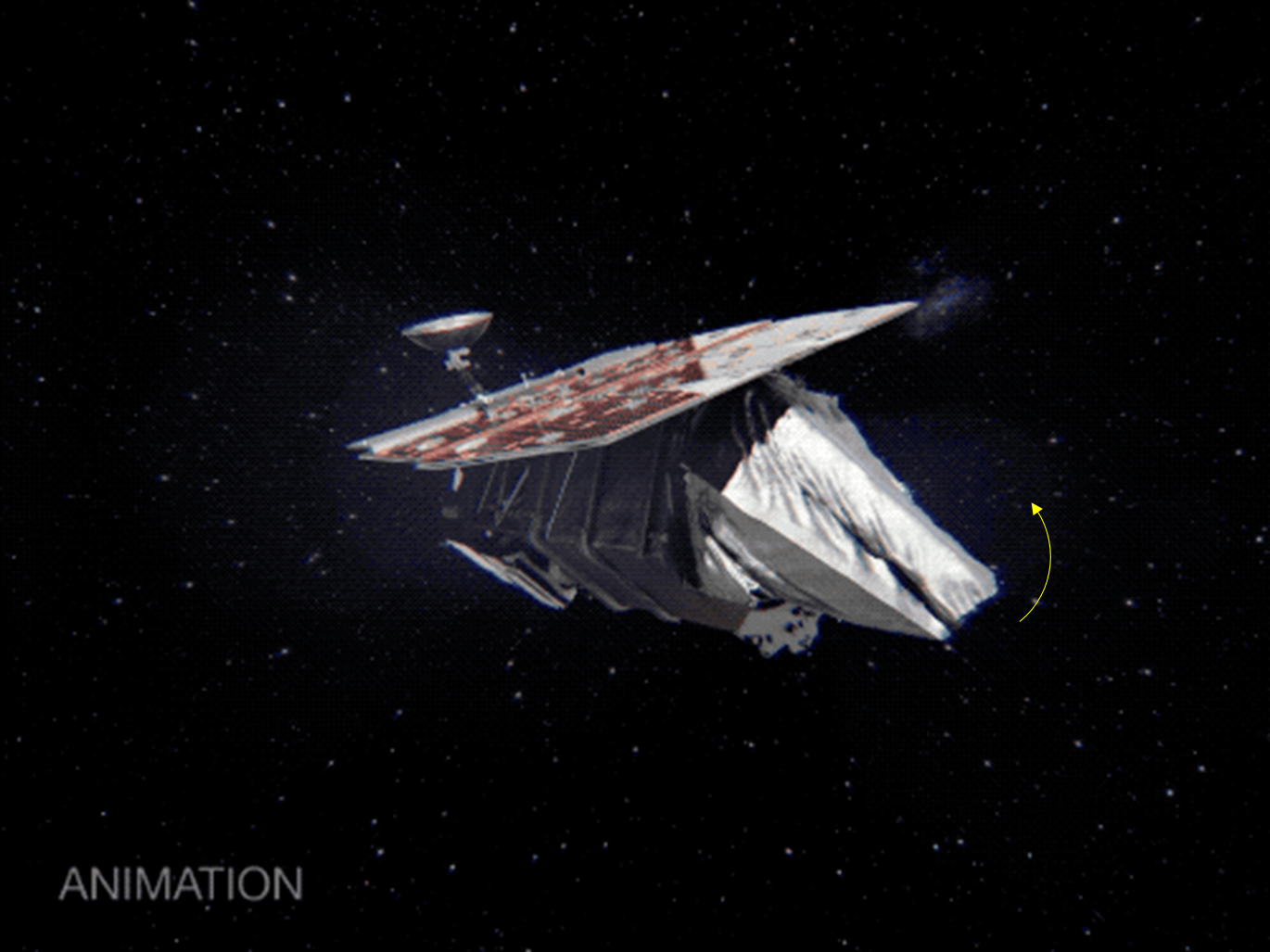
The aperture cover (sunshade) was deployed over 8 minutes ending at 6:05 a.m. EDT Sept 1.
The coronagraph was powered on over 55 minutes ending at 8:22 a.m. Sept 1.
The WFI Instrument will be powered on in an couple of weeks.
A 3-month period of test and calibration activities lies ahead.
https://science.nasa.gov/blogs/roman/2026/09/01/nasa-roman-space-telescopes-antenna-visor-deployed/
https://science.nasa.gov/blogs/roman/2026/09/01/nasa-romans-planet-imager-has-powered-on/
24/n
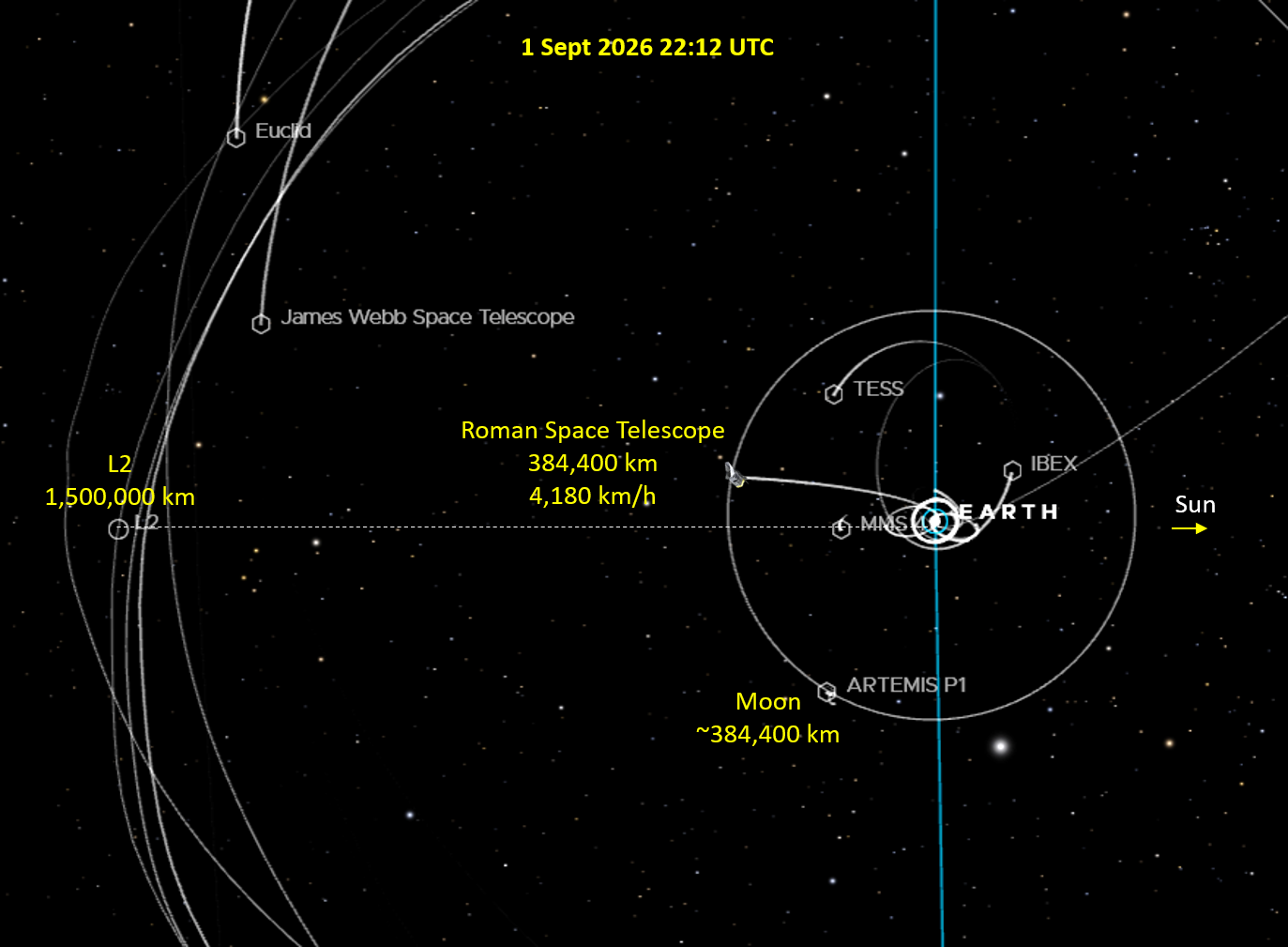
At 22:12 UTC today Sept 1, about two and a half days after launch, the NASA Roman Space Telescope has traveled past the orbit of the Moon, 384,400 km from Earth.
🙌 🔭
https://eyes.nasa.gov/apps/solar-system/#/sc_roman_space_telescope
25/n
Here is a chance to adopt one of the 300 million pixels in the NASA Roman Space Telescope. Or rather to have it assigned to you.
🤔
Hurry - 448,864 pixels have already been claimed.
Roman is currently 940,000 km from Earth traveling at 1,710 km/h.
Register at https://science.nasa.gov/mission/roman-space-telescope/adopt-a-pixel/
You will get your pixel number as soon as you hit the Submit button.
26/n
@ewen
^^^
NASA Roman Space Telescope update:
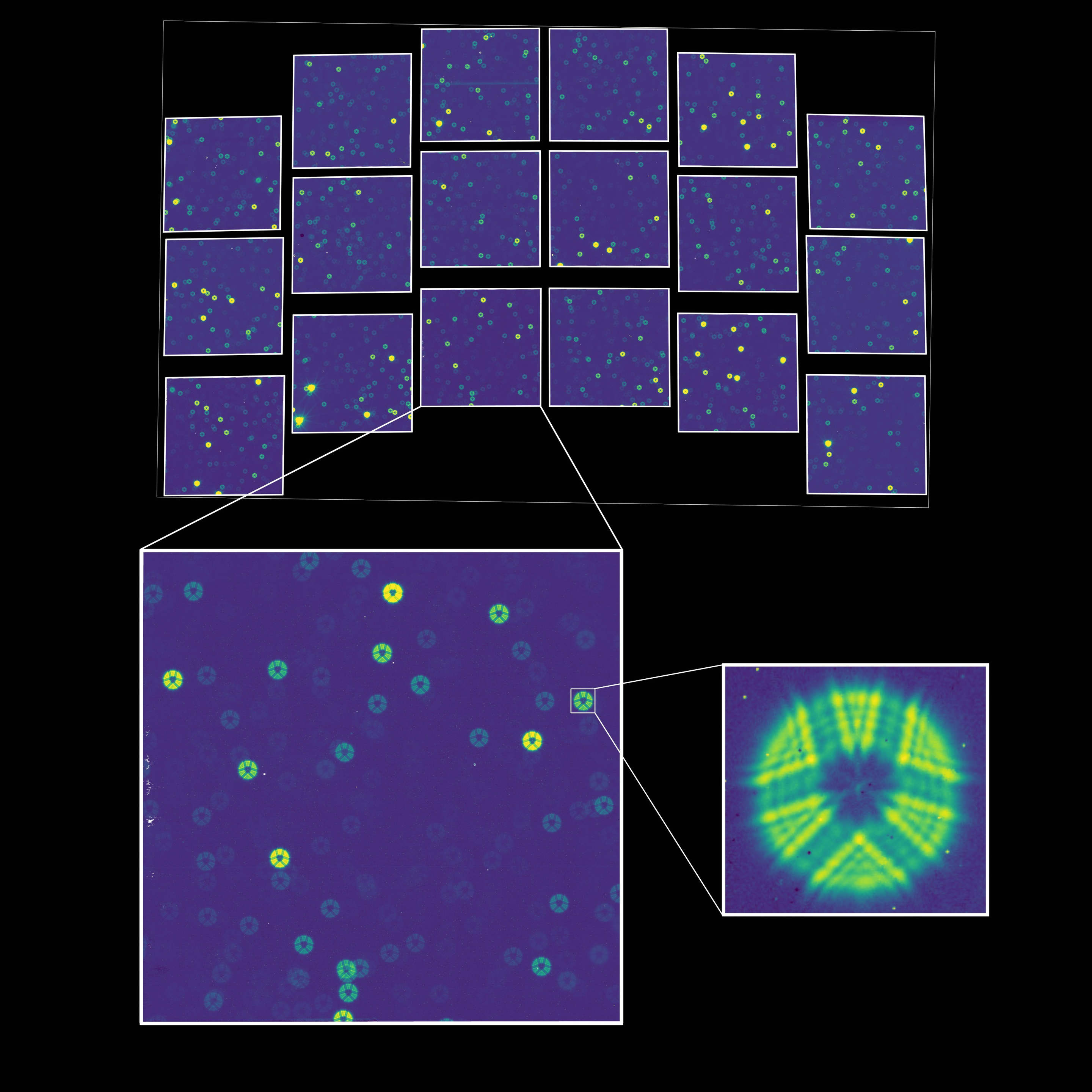
The Wide Field Instrument, with its 300-megapixel infrared camera, opened its eyes last Sunday and captured its first blurry picture of the cosmos.
The detector array is still not in its final configuration and is out of focus. The stars appear spread out over many pixels. Many other subsystems were tested before the image could be taken. The image will help the team in the alignment and calibration efforts in the coming weeks.
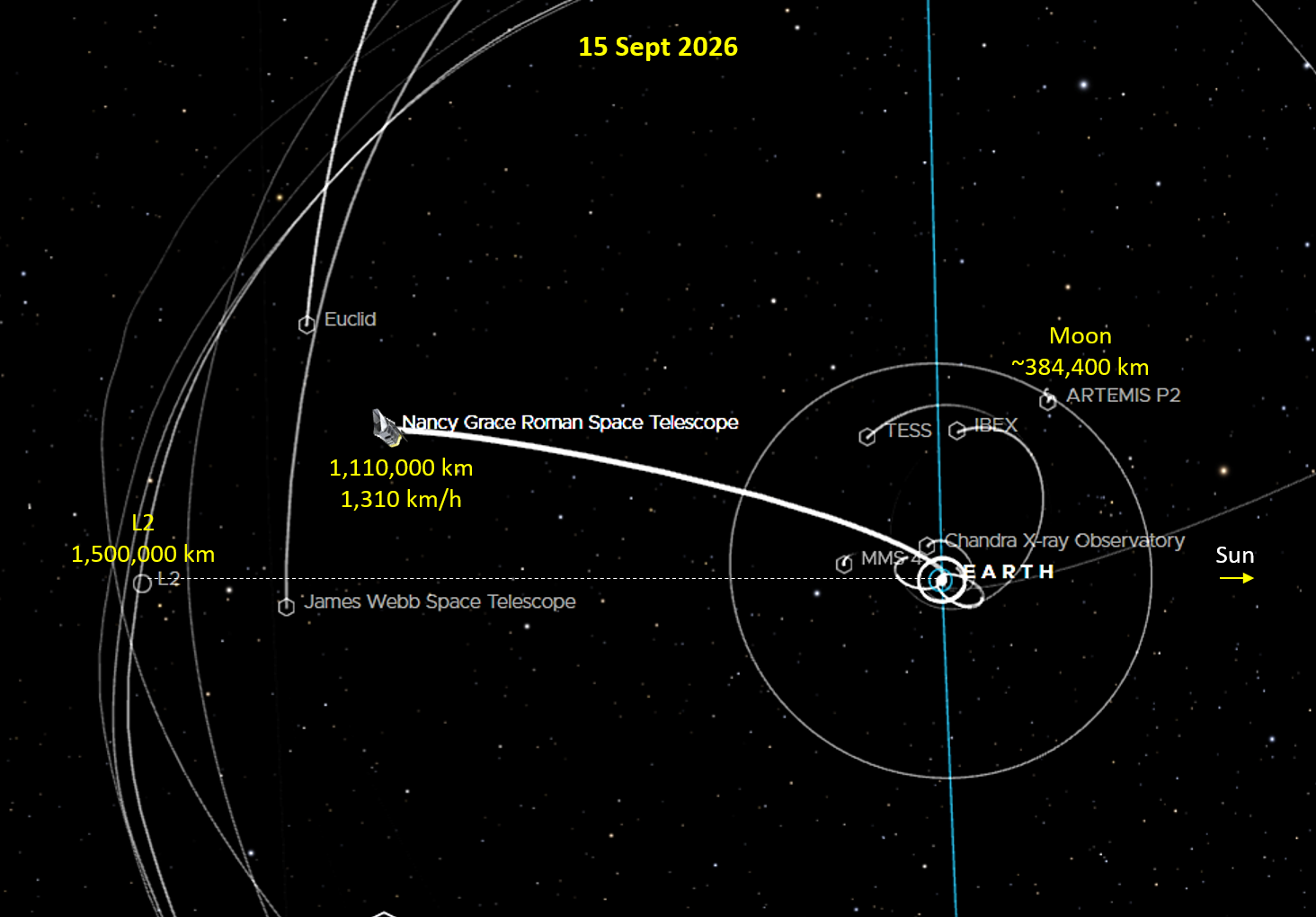
The NASA Roman Space Telescope is currently ~1,110,000 km from Earth, traveling at a leisurely pace of 1,310 km/h.
It will be inserted in it final orbit around L2 in early December.
Instead of 10 years, Roman now has fuel for at least 22 years of potential science operations, thanks to a very accurate first mid-course correction and some extra fuel at launch.
https://eyes.nasa.gov/apps/solar-system/#/sc_roman_space_telescope
https://science.nasa.gov/blogs/roman/2026/09/14/fuel-savings-double-potential-lifetime-for-nasas-roman-mission/
28/n
@AkaSci also, it’s not POTUS that supplies it, it’s Congress…
Aw yiss, got myself a ✨pixel✨ !!!!
@AkaSci Sweet!
@AkaSci I can't even get 20 Mbps over wifi between devices 6 inches apart on my desk
@aburka
You just need a bigger antenna 😉
https://science.nasa.gov/photojournal/nasa-deep-space-networks-new-goldstone-antenna-goes-online/
Is it going to orbit a Lagrange point? Which one?
@Chancerubbage @AkaSci See post 11 of the thread!
@Chancerubbage
Yes, Sun-Earth L2.
See posts 10 and 11.
@AkaSci TIL about "self-luminous" planets. apparently we will have to wait a while before we could consider them habitable :)
@rich
Self-luminous exoplanets are young planets that glow in infrared light from the residual heat of their recent formation. This alleviates the planet-to-star contrast challenge compared to older (and cooler) planets only detectable in reflected light from their host star.
https://www.mpia.de/en/apex/research/wide-orbit-planets
@AkaSci thanks👍😊