Login
You're viewing the assemblag.es public feed.

Replies

  • K. J. ElphinstoneKatyElphinstone@mas.to
    Oct 4, 2026, 8:23 AM

    There’s a strange contradiction at the heart of being human.

    We’re mammals; biologically designed to live among other humans, and especially humans we trust and love.

    Our nervous systems regulate one another’s. We become calmer in the presence of people we feel safe with. Babies need to be held and loved, or they “fail to thrive” (aka, ‘die’). 💔

    And yet...

    ⬇️

    💬 1🔄 0⭐ 0
  • K. J. ElphinstoneKatyElphinstone@mas.to
    Oct 4, 2026, 8:23 AM

    We’ve created a society in which other people are our worst source of danger.

    Not necessarily physical danger, although obviously sometimes that too!

    It can be in the form of judgement, rejection, and exclusion. Ah, we have so many forms of punishment for the disobedient and the unfortunate. Losing your job, status, your home. Losing love and connection. Being replaced, or being thought less of. It’s all so very… conditional. This human condition.

    ⬇️

    💬 1🔄 3⭐ 0
  • K. J. ElphinstoneKatyElphinstone@mas.to
    Oct 4, 2026, 8:24 AM

    Hierarchies have become central to our way of life.

    The conditioning starts very early. We’re already rich or poor, Black or white, male or female. Children are put into environments where they’re compared, graded, ranked and separated according to performance. One child being “ahead” means another must be “behind”. One gets the prize; twenty-nine don’t. 🏆

    We talk endlessly about our young ones needing to learn how to socialise, while placing them inside extraordinarily artificial (and hierarchical) social environments where they have almost no control over who they’re with, where they go, what they do, when they can leave… or what sort of contact they have with one another.

    ⬇️

    #School #Education #SchoolTrauma #BlackLivesMatter #GenderEquality

    💬 3🔄 15⭐ 11
  • K. J. ElphinstoneKatyElphinstone@mas.to
    Oct 4, 2026, 8:24 AM

    And parenting is saturated with similar stuff. Don’t pick them up too much, don’t spoil them, don’t let them become dependent. Don’t comfort them if they’re scared at night. Let them cry. Make them “independent”…

    As though dependence is some kind of developmental failure, rather than a basic condition of being human.

    And then we wonder why so many of us don’t feel safe. Um. 🤔

    ⬇️

    #Parenting #Childhood

    💬 2🔄 2⭐ 0
  • K. J. ElphinstoneKatyElphinstone@mas.to
    Oct 4, 2026, 8:25 AM

    We humans obviously need one another!

    And yet we’re organised in ways that make us competitors. We’re forced into the position of envying those above us, competing with those on our level, and kicking down on those below us (they’re the scapegoats – and our boot can land with a satisfying thud, since we can reach them).

    The underlying message is always the same, whether in education, work, family, war or love: your loss is my gain – and vice versa. 🎲

    The message we’re taught is: there’s only a limited supply of everything. Not just money or time, but love and attention too. Connection.

    ⬇️

    @alfiekohn (refs at the end of the thread)
    #Competition #Capitalism

    💬 1🔄 4⭐ 1
  • K. J. ElphinstoneKatyElphinstone@mas.to
    Oct 4, 2026, 8:26 AM

    A lot of the scarcity is artificial, as (though don’t try telling this to a dedicated capitalist) there are so many things that increase the more you give them away.

    The more you love your puppy, the more their love grows and comes back to you. The more you’re attentive to your tomato plant’s needs, the greater harvest you get, plus seeds for next year.

    The more bridges you build toward others, nature, and the universe, the more they can reach you, too. 🌌

    ⬇️

    💬 1🔄 5⭐ 0
  • K. J. ElphinstoneKatyElphinstone@mas.to
    Oct 4, 2026, 8:28 AM

    But back to human society.

    There’s a big difference between community and networks (institutionally mediated connection).

    Networks include things like work, school, sports, etc. Basically, there are so many ways you can be surrounded by people and yet have very little real social fabric. You can have colleagues, followers, clients, acquaintances, neighbours...

    … and yet still have no one you can depend on. Who really knows you and loves you, and who’d put your well-being above what they want and expect from you.

    And if anyone were really like that (putting others people’s well-being first, I mean) they’d likely collapse within a week… the collective ache and need out there being so very similar to a howling tornado. 🌪️

    But no. If you’re lonely, you should join a rowing club. If you’re going nuts, you should take up yoga.

    ⬇️

    @georgemonbiot.bsky.social (as I read about networks vs community in your book)
    #Society

    💬 1🔄 8⭐ 14
  • K. J. ElphinstoneKatyElphinstone@mas.to
    Oct 4, 2026, 8:30 AM

    Aristotle’s distinction between the 3 different kinds of friendship is useful here, I reckon (even though he was rather misogynistic, poor love – but that was standard for his time, and he did have some great ideas).

    1. Where you want something from someone
    (i.e. it’s transactional. They have a use for you and/or vice versa) 💰

    2. Where they make you feel a certain way that you like
    (I think we very often confuse this one with love) 🪞

    3. Where you want their well-being above what you want out of them 💗

    That last one is totally different from the others.

    Not, “what can you give me?”
    Nor, “how do you make me feel?”
    But just simply: “I want you to be well.”

    ⬇️

    💬 3🔄 1⭐ 0
  • K. J. ElphinstoneKatyElphinstone@mas.to
    Oct 4, 2026, 8:30 AM

    I suspect we have a real dearth of that third kind of friendship.
    Of love. The true kind.

    A huge amount of our social world is transactional, even when we don’t call it that. And when we have a use for someone, (research shows) empathy can switch off astonishingly quickly. They become more of a role to you than a person. ⚙️

    Which is why things like the nuclear family can be such a perfect setup for bitterness and loneliness.

    Being needed is not the same thing as being loved.

    ⬇️

    💬 1🔄 7⭐ 12
  • K. J. ElphinstoneKatyElphinstone@mas.to
    Oct 4, 2026, 8:31 AM

    So going back to our nervous systems...

    We’re a type of animal designed specifically to find safety in others of our kind. We’re not polar bears. Or alligators.

    But yet we’ve built our social structures and norms in a way where humans aren’t safe together; to each other. Each of us is simply not very safe to be around.

    We’re being made to function on fear, not love.

    ⬇️

    💬 1🔄 7⭐ 14
  • K. J. ElphinstoneKatyElphinstone@mas.to
    Oct 4, 2026, 8:31 AM

    In effect, we’re in a total Catch-22!

    We’re not safe without people. But we’re not safe with them either.

    This way, danger. That way, danger. ⬅️➡️
    Damned if you do, damned if you don’t.

    The number of humans living in this grey hinterland of doubt and paradox must be frankly astronomical. Longing for connection… moving towards it. Getting hurt… moving away again. Becoming desperately lonely… trying again. Getting hurt again.

    ⬇️

    💬 2🔄 0⭐ 0
  • K. J. ElphinstoneKatyElphinstone@mas.to
    Oct 4, 2026, 8:32 AM

    And then...

    Enter autistic people. ♾️

    Autistic people are very often described as lacking social motivation, or failing to connect in the “normal” way.

    But autistic people do attach, often intensely. To animals, places, particular objects, music, nature, our creative work, or interests that can become whole worlds!
    🐾 / 🎶 / 🌿

    And yes, to other people too – in special circumstances and not necessarily in socially prescribed ways.

    ⬇️

    #Autism #Neurodivergent #Autistic

    💬 3🔄 3⭐ 0
  • K. J. ElphinstoneKatyElphinstone@mas.to
    Oct 4, 2026, 8:33 AM

    Unlike humans, you see… animals, plants, objects, and code don’t suddenly decide they don’t like you, and judge you. Or gossip about you. They don’t unexpectedly withdraw their regard because you broke some invisible rule you didn’t know existed.

    I’m actually even wondering whether there could be any intergenerational element to all this too…

    If, over generations, reaching towards other humans gets indelibly associated with pain and danger – well, could it make quite a lot of sense to gradually stop doing that?

    In any case, perhaps autistic ways of relating aren’t a failure to attach at all. Maybe our attachment is just seeking somewhere a bit safer.

    💗

    End of 🧵

    💬 6🔄 0⭐ 0
  • K. J. ElphinstoneKatyElphinstone@mas.to
    Oct 4, 2026, 8:36 AM

    Credits and acknowledgements:

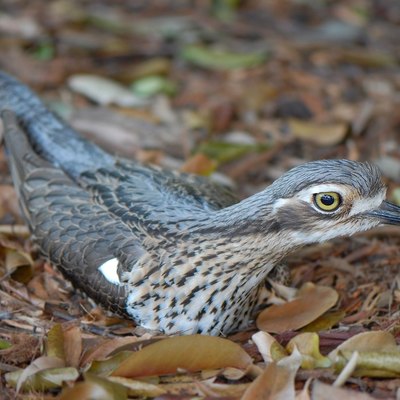
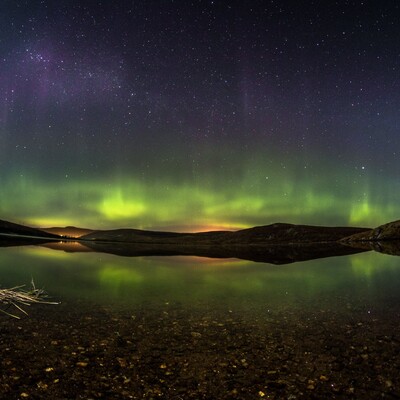
    Photo: Panda Mery, gizmonaut.net/ @panda

    On competition: Alfie Kohn, especially 'No Contest: The Case Against Competition' — alfiekohn.org/contest/ @alfiekohn

    On networks, community and belonging: George Monbiot, monbiot.com/ @georgemonbiot.bsky.social

    And Aristotle, for the three kinds of friendship: usefulness, pleasure, and genuinely wanting the good of the other person... perseus.tufts.edu/hopper/text?

    💬 3🔄 0⭐ 0
  • BeverleyTalktoBeverley@mas.to
    Oct 4, 2026, 11:01 AM

    @KatyElphinstone

    Ooph! Fantastic thread… it’s going to take me a while to fully digest/process. Lots of ‘ouch’ moments and memories resurfacing…

    Thank you.

    💬 1🔄 1⭐ 0
  • 💬 1🔄 0⭐ 0
  • BeverleyTalktoBeverley@mas.to
    Oct 4, 2026, 12:16 PM

    @KatyElphinstone

    You do so much good Katy and you express yourself brilliantly. There’s deep thought, clarity and care in your posts. I’m very grateful.

    I’ve a close family member who is ASD and much as I try, I don’t always fully ‘get it’. You help me SO much.

    Big love! 🫂 (Apologies if that’s ‘too much’ but sometimes my emotions overwhelm me… There’s so much pain mixed with love in my relationship with said family member.)

    💬 1🔄 0⭐ 0
  • K. J. ElphinstoneKatyElphinstone@mas.to
    Oct 4, 2026, 12:23 PM

    @TalktoBeverley

    Too much?! Not at all! I am highly emotive myself. And I really love that this has resonated with you. Thank you for sharing that, it's so lovely and gratifying to hear! 🥰
    A big part of the reason I'm so introverted (and a bit navel-gazing if I'm honest) is that so much overwhelms me. When watching a YouTube video on attachment reduces you to weeping then you know you better go a bit easy on self.. if only to carry on taking care of your children adequately ahem...

    💬 1🔄 0⭐ 0
  • BeverleyTalktoBeverley@mas.to
    Oct 4, 2026, 12:28 PM

    @KatyElphinstone

    Me again… sorry.

    It’s just we’ve had a REALLY difficult week (they tried new medication but couldn’t tolerate the side effects and were convinced they were going to… well, die… It’s been awful.)

    So your post, whilst raising some uncomfortable thoughts, majorly helped redirect my thoughts.

    Sometimes ‘timing’ is propitious. Thank you so much. 🫂🫂🫂🥰

    💬 1🔄 0⭐ 0
  • 💬 0🔄 0⭐ 0
  • Oct 4, 2026, 11:14 AM

    @KatyElphinstone Hi!

    I have a little pet theory I wanna run by you.

    “The root of oppression”

    Think of RSD, rejection sensitivity dysphoria. An over reactive form of rejection sensitivity defined mostly in ADHD people but present in the Autism spectrum as we understand it today.

    There’s obviously the regular kind of rejection sensitivity that’s way more subtle, which is supposed to slow people down when they’re doing or about to do things that would receive a reaction from other people to make them think about their actions for the cohesion of community.

    In a thread a few weeks ago, if you remember, we talked about how oppression makes you unable to function.

    I now think oppression, as a phenomenon, is the systemic weaponization of this mechanism. A system of norms and practices that trigger this sensitivity on purpose to keep people obedient.

    Your thread, to me, shows how internalized this weaponization has become.

    What do you think?

    💬 4🔄 1⭐ 3
  • 💬 1🔄 2⭐ 4
  • 💬 0🔄 1⭐ 4
  • K. J. ElphinstoneKatyElphinstone@mas.to
    Oct 4, 2026, 12:06 PM

    @CynAq

    Yes, I think you're really on to something here. We need to connect. We love connecting. And then we keep getting reprimanded, hurt... Hm, things like the naughty step? Systematic exclusion (about the worst thing you can do to a young human) as a punishment for non-conformity, for not "playing along"?

    I guess that gets internalised and then we effectively punish ourselves and become sort of "atrophied" in a web of doubt and self-doubt. I'm now thinking about how one of the supposed character traits of abused women was indecisiveness.

    💬 1🔄 1⭐ 0
  • Oct 4, 2026, 12:23 PM

    @KatyElphinstone I’m generalizing rejection sensitivity to all oppression.

    In a sense, marginalization is “rejection” at a systemic level.

    Trans people, immigrants, women are “rejected” from communities they need to be a part of. Need, as in, need water to survive.

    I think this is how oppression works and why it’s so effective.

    💬 1🔄 1⭐ 0
  • 💬 1🔄 1⭐ 0
  • 💬 1🔄 0⭐ 0
  • 💬 0🔄 0⭐ 0
  • 💬 2🔄 0⭐ 0
  • 💬 0🔄 0⭐ 0
  • Oct 4, 2026, 12:21 PM

    @CynAq @KatyElphinstone

    I don't see calling a bully out as oppression either.

    And caling a bully out seems to fit well with a "system of norms and practices that trigger this sensitivity on purpose to keep people obedient."

    💬 1🔄 1⭐ 1
  • K. J. ElphinstoneKatyElphinstone@mas.to
    Oct 4, 2026, 12:27 PM

    @skua @CynAq

    Yes to all of this. I've thought so deeply about, at what point is it oppression - and at what point is it liberation?

    My conclusion is (so far) there's a pivotal moment, where one can carefully study the reaction of the other person when someone makes themselves vulnerable in front of them. Do they a) step down too, reciprocally (both relenting and showing vulnerability themselves), or b) take the just-vacated high ground for themselves? It can be so incredibly subtle... such a tiny little movement. One that speaks volumes.

    💬 1🔄 0⭐ 0
  • Oct 5, 2026, 7:00 PM

    @KatyElphinstone @skua @CynAq
    .
    I think I’ve worked out how blocking their bullying really does hurt them, though. It’s all a little more complicated than we think.
    .
    The point is they are deflecting all the shit they ever took from anybody, conscious and subconscious, and as long as they let it flow, let it out as fast as they take it in, they don’t have to feel their . . . inventory of bad feelings.
    .
    But try to stop the outflow, you are asking them to feel all the crap they ever took.
    .
    It’s this dark magic trick to fill their store when they’re children by spanking and worse so that they enter life overflowing, unable to absorb any more abuse without passing some along.
    .
    When you don’t pass it on, it hurts and RSD etc., is when you’re keeping it all and you cannot take any more.
    .
    It’s always been my insight that this is where the optional part happens, childhood, the part that seems like it could be changed. Once their store is full, you can’t talk to them anymore.
    .
    😳💜
    @autistics

    💬 1🔄 1⭐ 0
  • Oct 5, 2026, 7:38 PM

    @KatyElphinstone @skua @CynAq @autistics
    .
    I’m not really seeing the leveraging of RSD, my whole theory is they leverage the opposite reaction in themselves, that they are not sensitive to the abuse, they do other things with this input, they get strong, and they fall into their group dynamics and some form of hate.
    .
    It’s a disorder because it is NOT the response they are looking for.
    .
    You’re not supposed to be upset about it, you’re supposed to sort of agree with it, and start looking forward to your turn to dish it out, unload yourself.
    .
    Sorry. But there’s a reason simply shaming them doesn’t work. And the “good,” NTs aren’t doing anything to change that, that’s their neurology too.
    .
    I don’t see how this theory should offend them, but that would only be true if they bothered to understand it.
    .
    /2

    💬 0🔄 1⭐ 0
  • Oct 4, 2026, 12:28 PM

    @skua “calling out a bully” is a specific practice. In order to assert it is a part of the system of oppression, you have to demonstrate how it’s systemic in context.

    Beating a person is an action. Beating for obedience to authority is oppression. Beating in self defense is not.

    I don’t think we can take any individual prescribed action and extrapolate a systemic behavior from that.

    @KatyElphinstone

    💬 1🔄 0⭐ 0
  • Oct 4, 2026, 12:36 PM

    @skua
    Another way to look at it is this:

    Oppression is pre-rejecting an identity, or part of an identity to trigger rejection sensitivity for suppression of autonomy.

    However bullying is clearly grounds for rejection. There is a solid, objective reason for rejection of a bully.

    @KatyElphinstone

    💬 1🔄 0⭐ 0
  • 💬 0🔄 1⭐ 0
  • BeverleyTalktoBeverley@mas.to
    Oct 4, 2026, 12:36 PM

    @CynAq

    OMG I hadn’t got as far as considering sensitivity to rejection as part of processing @KatyElphinstone ’s post.

    I’m so glad you’ve posted this Cyn. My family member struggles SO much with this… sees and fears rejection round every corner, when I can’t even anticipate it on their behalf (to try to mitigate and spare their feelings). They’re ASD with a Pathological Demand Avoidance profile.

    Their life seems more pain than pleasure. 😭

    💬 1🔄 0⭐ 0
  • Oct 4, 2026, 6:38 PM

    @TalktoBeverley
    My life as well 😅
    Your family member is lucky to have you. I don't know of a surefire way to mitigate neither demand avoidance nor rejections sensitivity, but I find it comforting to know there are people who love me and will believe me when I say I'm struggling.

    One thing I find helpful is what I call "baseline awareness". It's this modification to classic awareness meditation that I made which emphasizes the need to find your baseline where you are as close to neutral as possible, emotionally.

    Once you find this point in your emotional experience that is similar to a comfortable balance between positive and negative emotions, that becomes your baseline.

    Getting used to how your baseline feels like gives you a calibration point to measure your emotions against, and a state to expect when even your strongest emotions run their course.

    @KatyElphinstone

    💬 1🔄 0⭐ 0
  • Oct 4, 2026, 6:42 PM

    @TalktoBeverley
    I use this to live with PDA and RSD this way:

    Whenever I'm in crisis, due to either or both of these conditions, I remind myself that it will pass, and I will have a moment of baseline emotions that isn't "happy" but isn't "anxious, sad, angry etc" either.

    That is the point I am most able to gently ease myself into whatever I need/want to do. If it doesn't work out, it doesn't. But each time it works is one step closer to something better than what I had previously.

    I don't know how viable this strategy is for everyone but it works for me.
    @KatyElphinstone

    💬 1🔄 0⭐ 0
  • Oct 4, 2026, 6:45 PM

    @TalktoBeverley

    There's one more note I want to place here.

    The reason I thought of this method is that I realized that actually being "happy" had a bigger energy cost than just being neutral, which leads to quicker burnout and the subsequent exacerbation of my emotional dysregulation issues.

    The more time I spend in my neutral state, the less energy I spend on emotional regulation, which means more energy for whatever else I need to use my brain for.

    @KatyElphinstone

    💬 1🔄 0⭐ 0
  • BeverleyTalktoBeverley@mas.to
    Oct 4, 2026, 7:37 PM

    @CynAq

    I really appreciate you posting this information, though I don’t pretend to comprehend it. Perhaps when I’ve read it through a few more times…

    My family member might understand when I show them your messages, though I imagine they might struggle to find their neutral because they spend so much time on high alert, being ready for the next ‘threat’.

    I think the closest they come to relaxing is when we’re with the horses… (four legged creatures much preferred in their world.)

    @KatyElphinstone

    💬 1🔄 0⭐ 0
  • Oct 6, 2026, 11:12 AM

    @KatyElphinstone just found this thread via someone’s comment in my timeline.

    Absolutely yes, and ouch, and yes…

    Trying to trust can feel so hard.

    💬 0🔄 0⭐ 0
  • Oct 4, 2026, 9:11 AM

    @KatyElphinstone I really appreciate how your posts/threads are becoming less and less about autism as an isolated condition in itself, and more about the social condition conditions that invented the "autism" label to brand some of it's dissidents.

    💬 1🔄 1⭐ 0
  • 💬 0🔄 0⭐ 0
  • W T-Dyetiinabox@todon.nl
    Oct 4, 2026, 9:55 AM

    @KatyElphinstone

    As an #ActuallyAutistic parent to autistic kids, I have always done my best to learn to recognize toxic patterns imposed by social norms and undo them. As they've grown older (and I've learned to see more of those patterns) I call them out as part of #parenting. I apologize where it's clear that an older kid got treated differently. Where I was damaged as part of my upbringing, I am honest about the bad patterns burned into my personality. And because we do this together it all becomes a rather joyous collective and playful resistance. We talk a lot about false norms: competition, ambition, "entrepreneurship", self-reliance, commodification, human exceptionalism.

    This can lead to difficult conversations - all of us standing together looking at motorcar traffic wondering how any one could still choose to drive, given what we know about the environmental damage it causes and how it will affect the planet they will have to care for. Asking why teachers at school promote competitiveness as a masculine virtue in PE classes. Looking at the race riots here in #Aberdeen and asking who they really serve, and who is being fooled. The kids asking why I don't like small closed rooms, why I still jump (at my age!) if someone touches me unexpectedly. Talking about being vulnerable to abuse and bullying - and why mutual support is so important as protection against that.

    But it also means - as you suggest - that we take on the intergenerational healing and recovery of properly affectionate, collective, supportive practices as a shared work. And that is much, much happier parenting than telling them to suck it up and suffer.

    💬 1🔄 2⭐ 3
  • K. J. ElphinstoneKatyElphinstone@mas.to
    Oct 4, 2026, 10:04 AM

    @yetiinabox

    Yes, so much this! And me too, as a parent, that I've tried to overturn it. Yet in spite of that, often it's been my own children who've shown me where I was in fact ableist, misogynistic etc. It's so hard to untangle, it's so internalised. But where there's a will, there's a way. 🥰

    Omg there are race riots in Aberdeen?? This is awful to hear... I'm so sorry 😬.... I don't really follow the news as it is so often really upsetting. The burgeoning right is just horrific.

    💬 0🔄 1⭐ 2
  • Oct 4, 2026, 10:04 AM

    @KatyElphinstone Wonderful thread, as ever, and a fascinating subject.

    I think of the social condition inflicted on Victorian boys. Segregated in single sex schools at an early age, subjected to "hazing" by older boys, often sexually abused, they became the officer class in the military. Taught to bond through sports (very competitive) they became a "band of brothers" competing for honours, but protecting each other, socially inept, emotionally dysfunctional, defining masculinity at the time.

    💬 3🔄 1⭐ 0
  • K. J. ElphinstoneKatyElphinstone@mas.to
    Oct 4, 2026, 10:05 AM

    @bobjmsn

    Absolutely yes, and in fact not even protecting each other. I've observed that males, especially traditionally raised ones, are the first to push each other under the bus. Which is astonishing considering that so-called 'Band of Brothers'. I guess what it shows is that such an upbringing means that you will actually trust no one.

    💬 1🔄 0⭐ 0
  • Oct 4, 2026, 10:23 AM

    @KatyElphinstone Indeed, because of ingrained competition, the desire to be lauded, as taught to be the pinnacle of ambition. It is still the pinnacle of toxic masculinity. Elon Musk and Donald Trump may boast about their riches, but it is their "success" that is paramount to their pride. Any suggestion of failure induces paranoid rage.

    It covers their insecurities; men abusing women, the older business tycoon with a beautiful young woman on their arm, are shows of "power" to stand out.

    💬 0🔄 0⭐ 1
  • 💬 0🔄 0⭐ 0
  • Oct 4, 2026, 7:10 PM

    @KatyElphinstone Since autism was not recognised at that time, we will presumably never know what happened to those who were neurodivergent in that society. Did some manage to adapt and survive, and did those who could not get diagnosed as ill and end up in mental institutions, or living alone?

    Girls were also segregated in girls schools. That is something I have no knowledge of. How did neurodivergent girls survive? Were girls more empathetic or just as predatory as boys on those vulnerable?

    💬 0🔄 1⭐ 1
  • Oct 4, 2026, 1:53 PM

    @KatyElphinstone
    Having a well developed sense of rejection sensitivity makes absolute sense, if you remember one simple fact about humans. We are pack animals and our survival strategy always depended upon that.

    So at one point being evicted from the pack was basically a death sentence and certainly the end of any chance of us procreating and passing on our genes. And therefore creating a well developed sense of when this may be becoming a possibility makes absolute sense.

    The problem, of course, now is one of scale. We are no longer a simple pack trying to survive within the natural environment. But, because there is limit to how big a group can be before identification with it can become too vague and problematic, we have become many different and often competing packs trying to thrive solely within the overall human and basically allistic environment.

    Because of that competition and that individual choice and identification are now a factor, such packs often require a far more assertive and restrictive cohesion. Rejection sensitivity therefore becomes a weapon of control and discipline.

    💬 0🔄 1⭐ 0
  • Oct 5, 2026, 12:12 AM

    @KatyElphinstone
    Someone once said to me "You just don't trust humans"

    Well... yeah... look at 'em! Looking at what they've generally been up to over the past few millennia, does the human race seem overall trustworthy? I say NO!

    I find it amusing that "trust issues" is a thing that people talk about like it's a problem. I'm just selective about who I trust. There are some people who ARE trustworthy, and I can trust those people just fine. But the average collective? Nope. Not worth the risk.

    But I have gotten better at knowing which people are more likely to be trustworthy a lot quicker upon meeting them, that makes things a lot easier.

    💬 3🔄 2⭐ 2
  • 💬 0🔄 0⭐ 0
  • 💬 0🔄 2⭐ 1
  • Oct 6, 2026, 12:08 PM

    @NinjaWerewolf @KatyElphinstone

    This is why I've become opposed to nearly every form of authority. Not that I reject authority on principle - but nearly every trait that currently gains social power (aka authority) are precisely the same traits that make it less likely for me to find someone to be trustworthy.

    💬 2🔄 3⭐ 1
  • 💬 0🔄 0⭐ 0
  • 💬 0🔄 1⭐ 0
  • 💬 1🔄 1⭐ 0