AkaSci 🛰️AkaSci@fosstodon.org
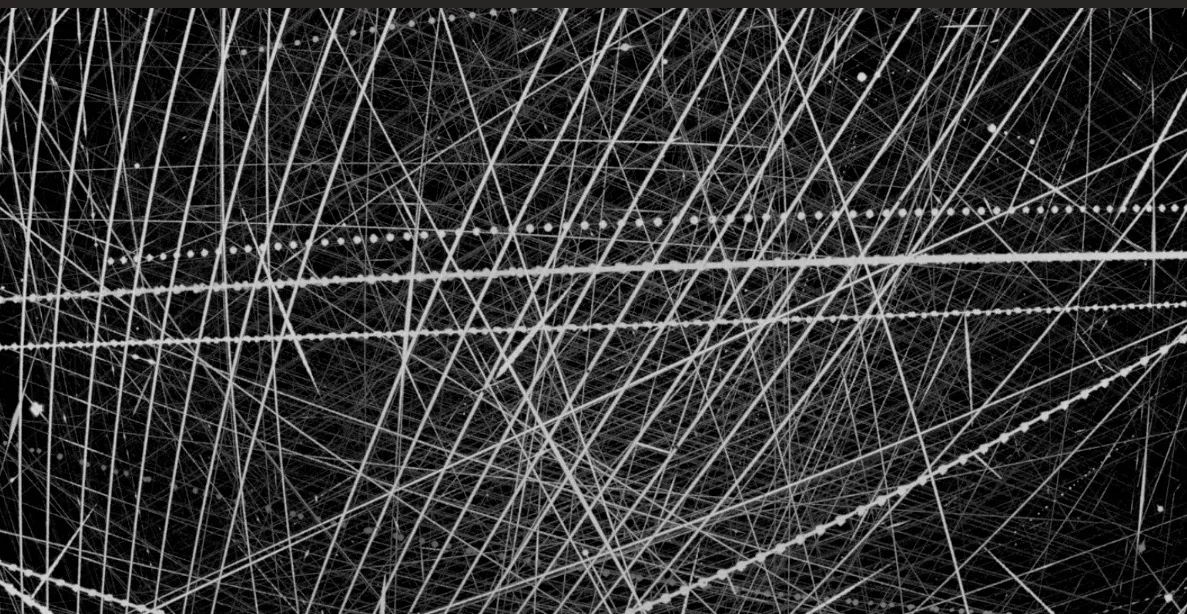
Oct 14, 2026, 8:37 PMNew paper - Systematic non-compliance of satellite megaconstellations with IAU brightness limits.
Observations from late 2024 show that "observed population is systematically brighter than the altitude-adjusted limit of order 7th magnitude recommended by the IAU.
The emerging Guowang/Hulianwang constellation is the worst.
Starlink is quite bad.
OneWeb was the most compliant major operator."
https://arxiv.org/abs/2610.10834
https://bsky.app/profile/pbarmby.bsky.social/post/3mxuccmykjc27
@sundogplanets
1/n