One year ago, AWS deleted my 10-year account over a disputed $100 bill. That day I learned something uncomfortable: unless you are a customer capable of causing a PR disaster, your monthly bill doesn’t buy much leverage.
That same week I noticed something else.
Vendor lock-in isnt just a cloud problem. Its a hardware problem too.
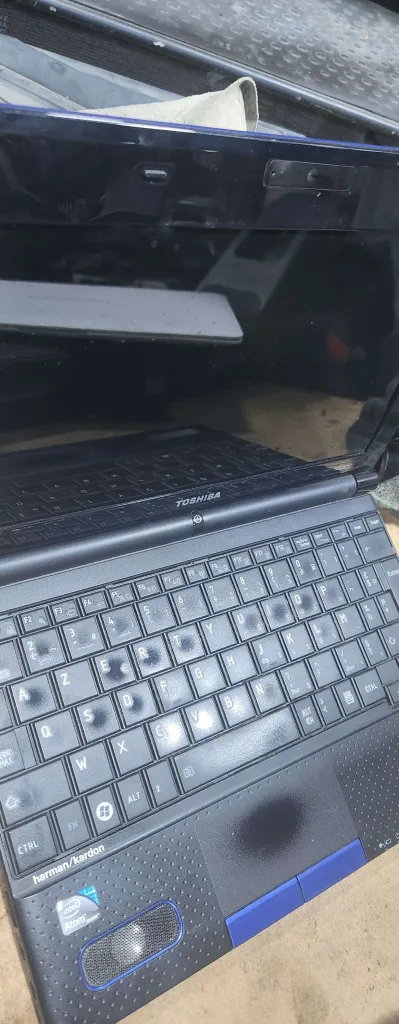
Here in Tangier (Morocco), there are warehouses filled with computers that Europe has already written off. Machines with 2-8 GB of RAM and 64-256 GB SSDs, sold by the pallet for almost nothing after being discarded by companies upgrading their fleets.
The hardware wasnt broken. The software had simply moved on.
The OS kept nagging users to upgrade, only to tell them afterward that their computer was too old to run the upgrade.
That is software gaslighting hardware into becoming e-waste. LOL.
So I started buying them.
In the past months I have bought over 5,000 discarded computers, not to build a datacenter, but to understand them, resurrect them, and eventually donate many of them.
That project became ChaosBSD.
In just six months, ChaosBSD has landed 87 upstream commits (it is not a AI number, lol). Ironically, after I started buying old hardware, the prices of SSDs and RAM even DDR2 went through the roof. 😄
Drivers are unlike almost every other subsystem. Frameworks get rewritten. Filesystems get replaced. APIs evolve. But silicon doesn’t get updates. A driver is either correct, incomplete, or it never gets merged. Once it is upstream, it often stays there for decades. I updated drivers that were not touched for 24 years.
Losing my AWS account taught me not to trust a single cloud provider.
ChaosBSD was my answer to the same problem in hardware.
The project was never just about my machines. The drivers went upstream, so every FreeBSD user benefits from them.
If you have an Intel Apple computer, you can install FreeBSD 16 or DragonFlyBSD on it. The computer will feel snappier than it original OS.