 Jun 1, 2026, 2:18 PM
Introduction
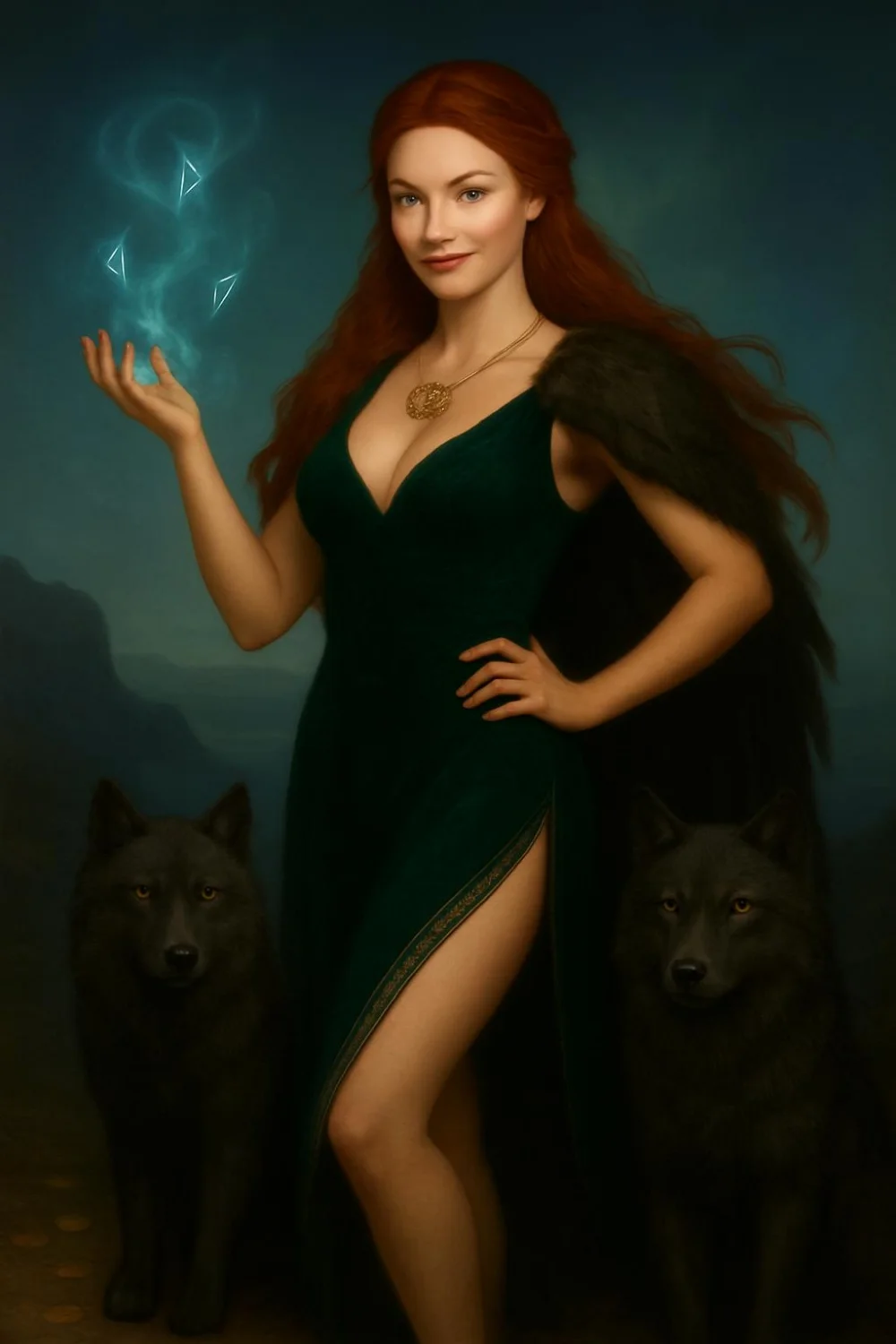
In Norse mythology, Freyja (Old Norse “(the) Lady”) is a goddess linked with love, beauty, fertility, sex and sexuality, war, gold and seiðr (magic for seeing and influencing the future). Freyja owns the necklace Brísingamen, rides a chariot drawn by two cats, is accompanied by the boar Hildisvíni, and possesses a cloak of falcon feathers that lets her transform into a falcon. With her husband Óðr she is mother to two daughters, Hnoss and Gersemi. Together with her twin brother Freyr, her father Njörðr, and her mother (Njörðr’s sister, unnamed in the sources), she belongs to the Vanir. The name derives from Old Norse Freyja; modern forms include Freya, Freyia and Freja.
Freyja rules over her heavenly field, Fólkvangr, where she receives half of those who die in battle; the other half go to Odin’s hall, Valhalla. Within Fólkvangr lies her hall, Sessrúmnir. She lets other deities borrow her feathered cloak, is invoked in matters of fertility and love, and is often courted by powerful jötnar who wish to make her their wife. Óðr is frequently absent; Freyja weeps tears of red gold for him and searches for him under assumed names. She bears many epithets, including Gefn, Hörn, Mardöll, Sýr, Vanadís and Valfreyja.
Freyja is attested in the Poetic Edda (compiled in the 13th century from earlier oral material), the Prose Edda and Heimskringla (both by Snorri Sturluson), several Icelandic sagas, the short story Sörla þáttr, skaldic poetry, and persists in Scandinavian folklore into modern times.
Scholars have debated whether Freyja and the goddess Frigg ultimately derive from a single Germanic deity. She has been linked to the valkyries, the female choosers of the slain, and compared with other Germanic figures such as the thrice‑burnt and thrice‑reborn Gullveig/Heiðr, the goddesses Gefjon, Skaði, Þorgerðr Hölgabrúðr, Irpa, Menglöð, and the 1st‑century CE “Isis” of the Suebi. In Scandinavia Freyja’s name frequently appears in plant names, especially in southern Sweden; many of these were later replaced by the name of the Virgin Mary during Christianisation. Rural Scandinavians continued to acknowledge Freyja as a supernatural figure into the 19th century, and she has inspired numerous works of art.
Name – Etymology
The name Freyja or in Norse Freja plainly means “lady, mistress” in Old Norse. It stems from the Proto‑Germanic feminine noun frawjōn (“lady, mistress”), cognate with Old Saxon frūa and Old High German frouwa (cf. modern German Frau). It is also closely related to the name of the god Freyr, meaning “lord” in Old Norse. Consequently, the theonym Freyja is thought to have originated as an epithet rather than a personal name, replacing a now‑lost personal name.
#introduction #freyja #norsemythology #goddess #love #war #fertility #beauty #sexuality #gold #seiðr