 Sep 18, 2026, 6:08 AM
Subject: Kings and Court Physicians
For: #medical #history buffs
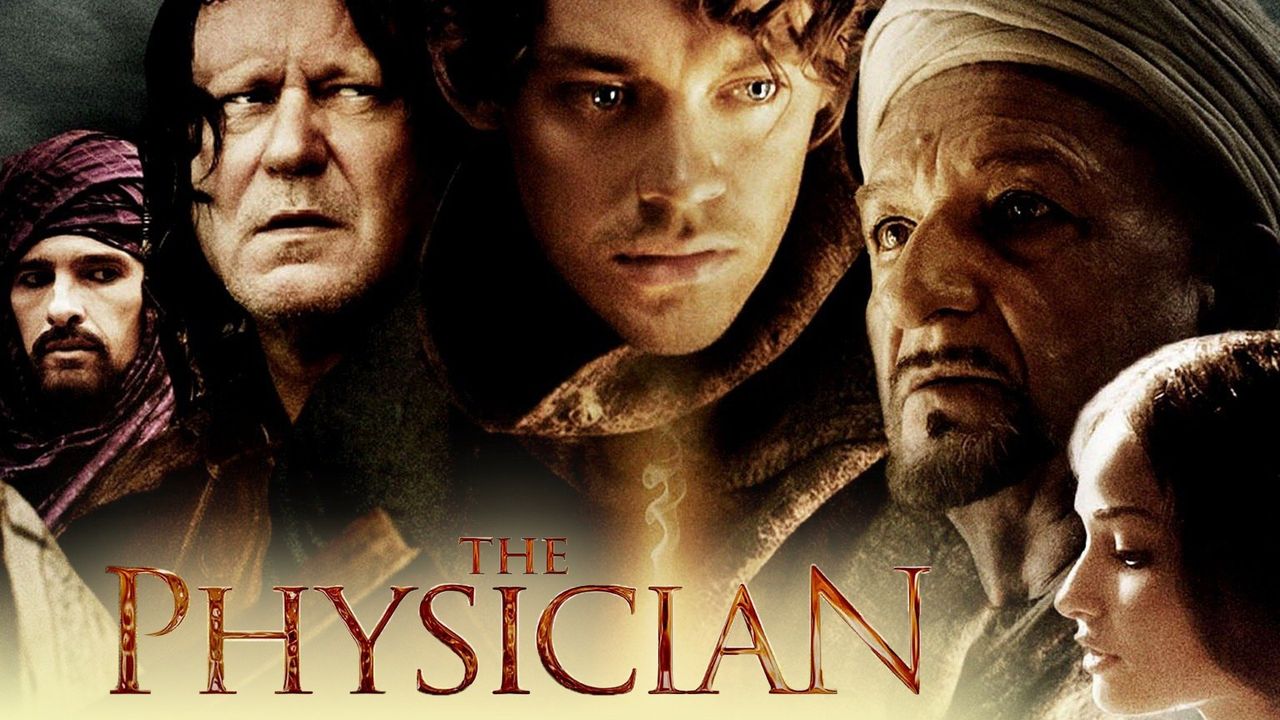
Image: Movie poster for “The Physician” (2013)
Short link: https://dansu.org/court-physicians
@svat commented : I wonder whether when kings had private physicians, they would take more time to think. The thread included @chris__martin
I liked the movies and TV series mentioned below. So, I’d like to comment.
Overview:
Did ancient or medieval Court physicians pause to think carefully? If they had a survival instinct, yes.
If they didn’t make the right decisions, they’d end up decapitated, crucified, or not in a happy state. It wasn’t a role for the clumsy, rushed, or unwary.
The details varied from country to country and era to era, but it appears that Court physicians largely kept a close eye out for signs of changes.
If illness occurred, and it didn’t match something minor and obvious, Court physicians were in a difficult situation. The options were limited and to lose the patient meant early retirement to the undiscovered country.
Medical compendiums:
In some cultures, there was an abundant quantity of literature to refer to.
I’ve seen C-Dramas such as “The Imperial Coroner” and “Blossoms in Adversity” which depict ancient Chinese heroines [these series are largely about plucky young women] pouring through piles of medical literature to identify how an Emperor or some such person had been poisoned.
In China, India, and the Islamic world, such literature actually existed. Technical note: It was more like medical encyclopedias than medical journals. Ancient Egypt and Mesopotomia had something similar to a more limited extent.
However, the scientific method didn’t exist. Treatments were heuristic and the literature could lead a physician astray.
Sidebar: Primitive cultures:
Primitive cultures, by way of comparison with ancient China et al, didn’t have much in the way of formal medical care. A shaman could shake a stick and chant, perhaps.
There is some truth to modern depictions of herbal remedies being employed in such cultures. However, quite often, if somebody was seriously ill, there was little to do but watch and wait.
Surgery:
The ancient Romans were adept at some types of surgery due to it being common for soldiers to get chopped up on the battlefield. However, at the time, surgery was right out for Kings and Emperors in every culture.
You might have seen one of the film versions of “Red Cliff” (2008 to 2009). Cao Cao, a major character in the films, is said to have executed a physician IRL just for suggesting surgery. Cao Cao considered the suggestion itself to be an assassination attempt.
Cao Cao was an impulsive sort, but his reaction in this case was understandable. In ancient times, if a ruler agreed to be operated on, he or she was likely to die. The survival rate was, like, zero for many types of surgery.
In cases that called for surgery, Court physicians preferred to offer treatments that were going to do nothing – “Here, try this nice tea blessed by the gods” – wait for the ruler to die, and escape with their lives.
Let the gods take the blame.
Medieval Europe:
Medieval Europe was a latecomer to medical care. The land had made some progress in this context. But it hadn’t caught up with the more ancient cultures.
In a land and a time where “off with their head” was practically a daily cry, Medieval Europe Court Physician isn’t a role that I’d have wanted.
Recommended film related to Medieval Europe medical care: “The Physician” (2013). The film is the story of an Englishman who travels to the Islamic world to learn how to be a physician. The Ibn Sina character in the film actually existed.