
Kevin P. Flemingkevin@km6g.us
10/20/2026ICE (in some contexts) means 'internal combustion engine'.
Are there 'external combustion engines'?
ICE (in some contexts) means 'internal combustion engine'.
Are there 'external combustion engines'?
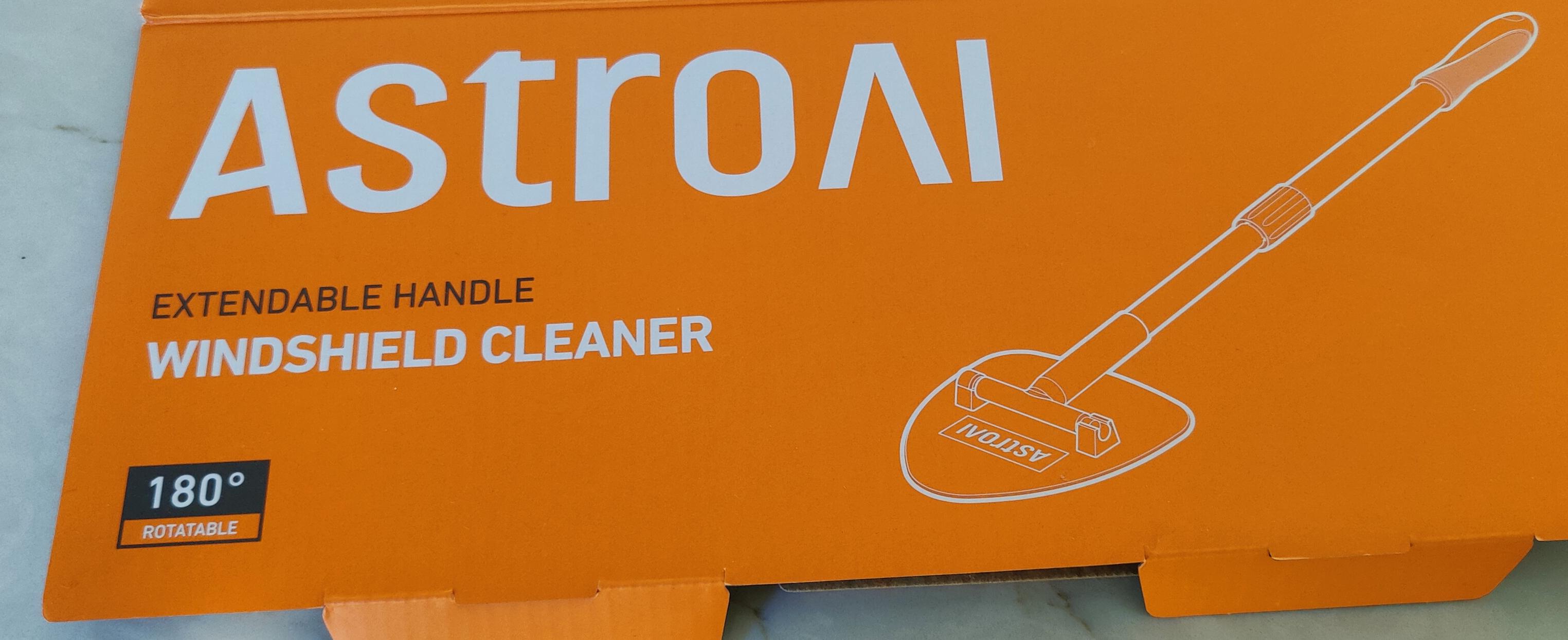
This week I received an extendable windshield cleaning device which I had ordered from a seller named "AstroAI" (although their logo doesn't use an uppercase A for the A in AI, it uses an inverted uppercase V...). I used the cleaner today and it worked well, although I could not really feel the 'AI' while I was using it.
@baconandcoconut Hello person who is also at RustConf 😃
I want to add a road (driveway at our home) in OpenStreetMap. I was able to do this fairly easily in Google Maps because their editor shows the map over a satellite view layer, so I could add points to trace the driveway.
The OpenStreetMap site doesn't offer a satellite view, so I need to find some other way to get started. Any tips from experienced OSM editors?
Jazz is not excited about winning the bronze medal in the 'cats sitting on exercise boxes' event.

@mcc And now I've discovered that --redraw-on-quit is in the 'less' package for Debian Trixie but not in the package for Ubuntu 24.04.
@mcc Thanks for your mini-thread (rant) about 'less'. I had never bothered to read its manpage before, but now my .profile contains
export LESS="-F -N -S --redraw-on-quit"
I like --redraw-on-quit compared to -X since it allows 'less' to initialize the terminal on startup.
I'm considering self-hosting Pocket ID to use as an OIDC identity provider for various other self-hosted services. It's small and simple and easy to understand, but there's a big gap: high availability. If I set up an instance on a machine somewhere, and that machine dies, every service using it as an IdP is temporarily inaccessible until the situation is cured.
How do other self-hosters address this situation? I understand at some point there are single points of failure, but I'd like to avoid this being one.
🔋 MIT just published the most comprehensive EV emissions study yet, analyzing every US zip code with real driving data.
Battery EVs cut lifetime emissions 40-60% vs gas cars in most locations. Even on the dirtiest grid in the country, they still come out ahead. The study used DOE's GREET lifecycle model, which already includes battery manufacturing. So the "but what about making the batteries?" question is answered: building an EV produces 50-80% more CO2 upfront, but it pays that back over the vehicle's life.
Your driving habits matter as much as where you live. High mileage, city driving, and larger vehicles all boost the EV advantage. Cold weather cuts efficiency on a frigid night but barely dents annual savings.
The "who benefits from the doubt?" question has a paper trail. The API has run anti-EV messaging since 1967. Koch-funded groups planned $10M/year campaigns. AFPM dropped $10M+ on "Don't Ban Our Cars" ads in 2024 swing states.
https://news.mit.edu/2026/us-drivers-electric-vehicles-offer-emissions-benefits-cost-savings-0512