Login
You're viewing the assemblag.es public feed.

Replies

  • Oct 15, 2026, 7:04 PM

    If you "unlock" all this "unused grid capacity", what happens to emissions? All the oft-cited Tyler Norris papers etc *never ever* model greenhouse gas emissions, because if you unlock 'grid capacity' you also need to ***increase generation output*** - mostly from fossil fuels.
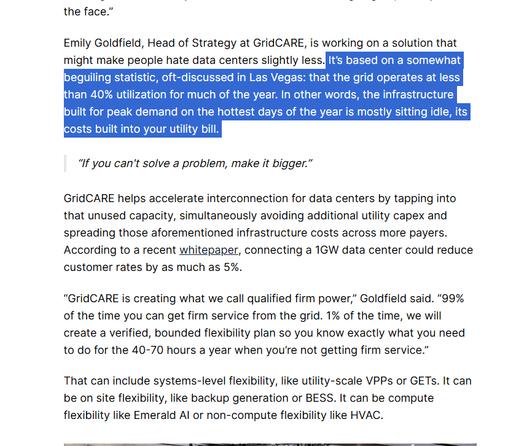
    Emily Goldfield, Head of Strategy at GridCARE, is working on a solution that might make people hate data centers slightly less. It’s based on a somewhat beguiling statistic, oft-discussed in Las Vegas: that the grid operates at less than 40% utilization for much of the year. In other words, the infrastructure built for peak demand on the hottest days of the year is mostly sitting idle, its costs built into your utility bill. 

“If you can't solve a problem, make it bigger.”
GridCARE helps accelerate interconnection for data centers by tapping into that unused capacity, simultaneously avoiding additional utility capex and spreading those aforementioned infrastructure costs across more payers. According to a recent whitepaper, connecting a 1GW data center could reduce customer rates by as much as 5%.
    💬 1🔄 0⭐ 0
  • Oct 15, 2026, 7:06 PM

    This is so absurd and so painful to read. Such a gross and cynical betrayal of public trust in climate action and clean energy.
    “Data centers, when built in a thoughtful strategic way, can be grid assets as opposed to grid burdens,” Goldfield said. “And AI growth is incentivizing utilities to change in a way that decarbonization alone doesn't.”
    💬 1🔄 0⭐ 0
  • Oct 15, 2026, 7:11 PM

    "Without us there's no solar" - so let the tech industry build all the grid transmission as well. Do I need to explain the risks behind something like that?

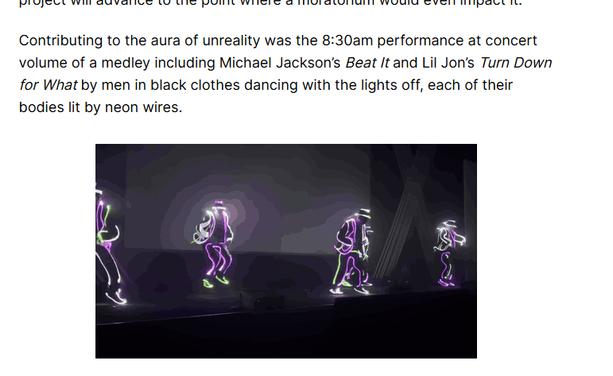
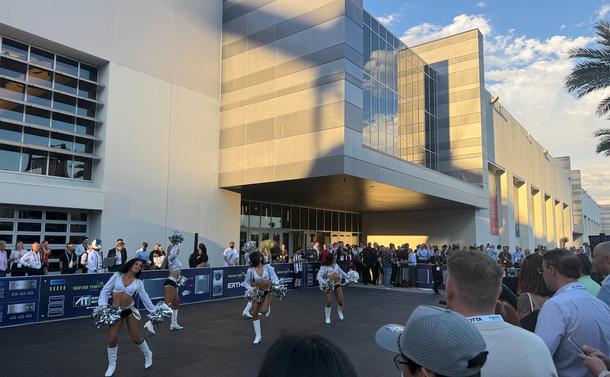
    And then randomly: some scantily clad women dancing in front of a bunch of leering data centre guys
    “We've already effectively done it on renewables. Because without us there's no solar,” Crosby said. “So why not let us do transmission? If you look at how electricity was built out in the late 1800s, early 1900s, it was public private partnerships. We've got the ability to do that now. But we don't have the laws that allow it.” 

This I heard from other attendees as well. Lon Huber said a company approached Xcel and offered to pay for transmission upgrades. Not only could they not accept it, it would take a year and half of regulatory proceedings to change it. 

“These are the things that we butt our heads against,” Huber said.

On this topic, Crosby gets animated.

“What if,” Crosby said, “you just let us buy all the land so that the 765 transmission lines could go up and you don't have to use eminent domain. We’ll grant the easements and the lines go up to relieve the grid. The question is how to use capital effectively, because we spend so much effing capital.”
    some scantily clad women damcning in front of a bunch of leering data centre executives
    💬 1🔄 0⭐ 0
  • 💬 0🔄 0⭐ 0