> Since it is just a server, I don't see any problems with > 24h compile time of something like Rust of Librewolf :drgn_blush_giggle:
Because there are no (and will no) such things in my server :drgn_sparkle:
> Since it is just a server, I don't see any problems with > 24h compile time of something like Rust of Librewolf :drgn_blush_giggle:
Because there are no (and will no) such things in my server :drgn_sparkle:
Whew, I successfully updated my kitchen-server from NetBSD 10.1 to NetBSD 11.0 via the sysupgrade.
Now, I'm thinking about transforming this system, having a lot of binary packages from remote repository — to the system where each package is built locally via pkgsrc.
Since it is just a server, I don't see any problems with > 24h compile time of something like Rust of Librewolf :drgn_blush_giggle:
BTW, I didn't find an easy way (just launch one script and go to sleep) to convert the system from using remote built packages to the locally built packages :drgn_think:
So, looks like I'll use some one-liner to get list of packages where build host != my server hostname. And then rebuild and update these packages with the help of pkgsrc.
The shy tegu? :drgn_aww:
I will continue teguposting until morale improves :drgn_blush_giggle:
Huh, looks like there is a #openrsync package in the #FreeBSD packages — slop-free #rsync implementation, using in the #OpenBSD.
I'm using rsync to make backups of my valuable files to the USB drive (so this program should work without problems and should be written by people who see programming as an art and could be accountable for their code), and also for copying files in Dired.
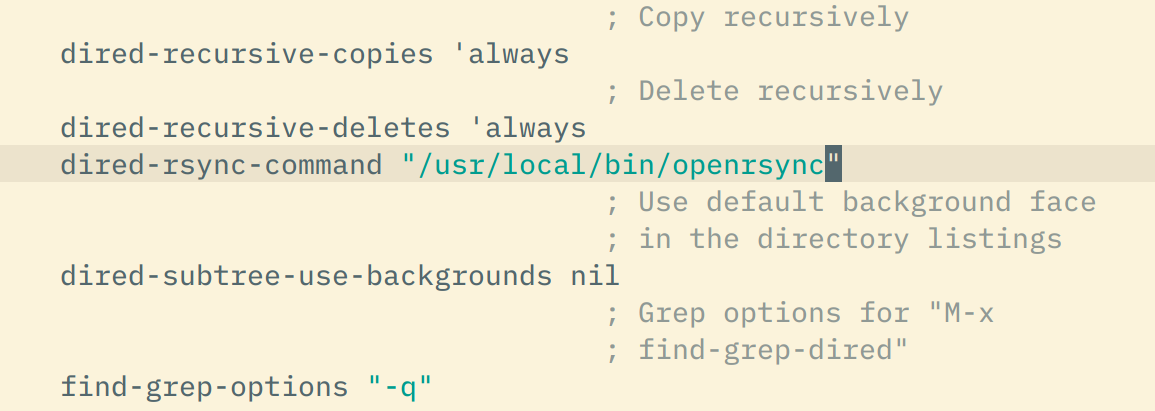
Using openrsync for #Emacs Dired is pretty simple — just point the dired-rsync package to the right binary, like:
(setopt dired-rsync-command "/usr/local/bin/openrsync")
Wrote new article — about how to use some ThinkPad-specific keys with FreeBSD. Most of the Fn-keys and volume control separate keys could be uses "as is" — the OS passes the proper and well-known keycodes (like XF86audioMute, etc) to the X server. But some keys needs some "black magic" (devd and acpi_ibm kernel module).
The bonus point — how to use ThinkLight to signal about low battery level with Morse code :drgn_aww:
https://eugene-andrienko.com/it/2026/03/24/freebsd-thinkpad-specific-keys.html
Whoops, #ImageMagick was updated in the #FreeBSD repos :drgn_flat_sob:
Sadly, it is a #slopware version — time to make "pkg lock".
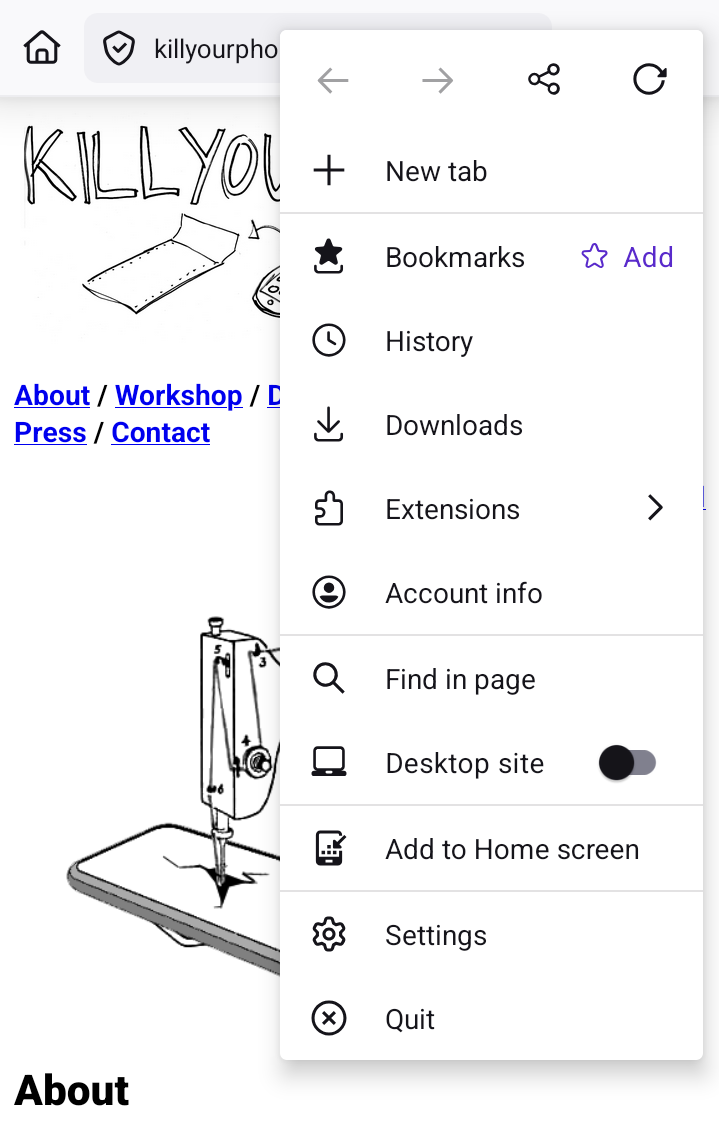
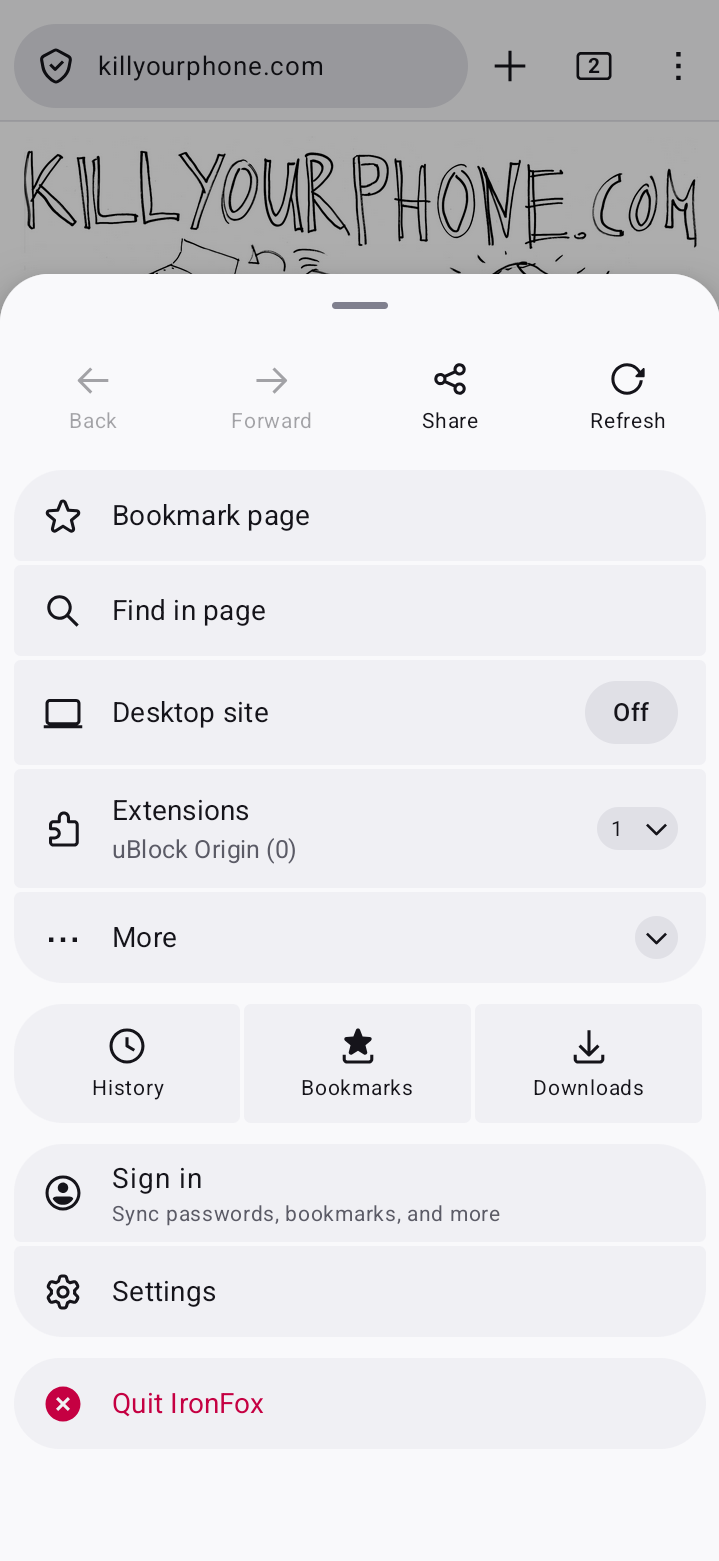
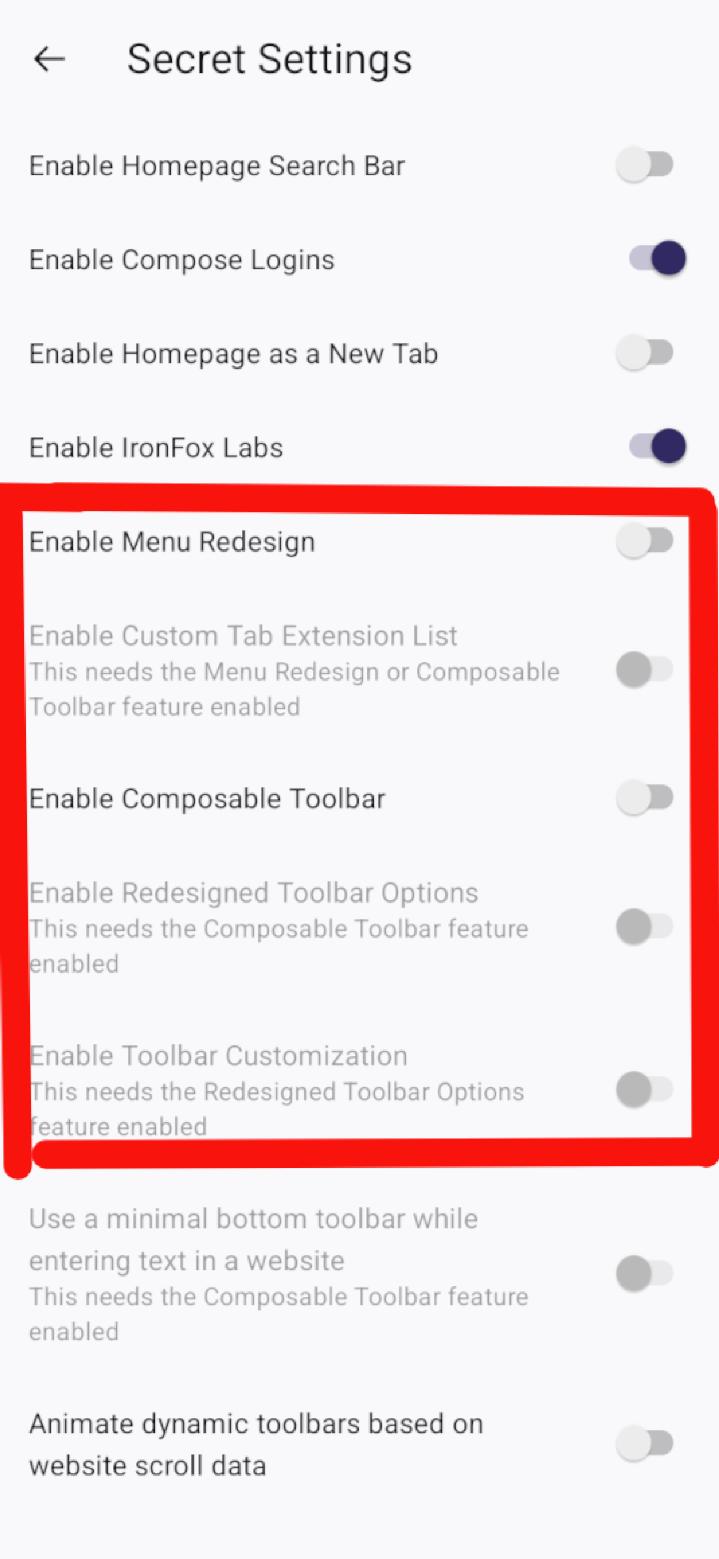
Sadly, the new design^Wabomination from #Mozilla landed to the new release of #IronFox (148.0.1) on the Android :drgn_cry_loud:
Instead of damn simple and concise main menu, I forced to see a gigantic panel now. Like I don't have fingers — I have a ten sausages instead.
And rounded things, rounded things everywhere! Because this is a redesign in sake of redesign — it is not customizable and I can't switch back to rectangular things in the settings :drgn_knife_angry:
Luckily, at least for now, I'm still able to revert this shitty designer vomit. Because you know, I'm not so young dragon, so I remember the eons when it was valuable — do not break user habits by constantly changing the UI layout and UI elements (read the fucking Palm Design Guidelines, for example).
The recipe:
1) Go to: IronFox main menu — Settings — About IronFox
2) Tap a lot of times to the big IronFox logo. The text "Debug menu enabled" should appear on the screen for a few seconds
3) Go to: IronFox main menu — Settings — Secret Settings
4) Disable the next items: "Enable Menu Redesign", "Enable Composable Toolbar"
Done! You are free from "new UI", which forcefeeded to users of Firefox (and forks) by Mozilla (again) :drgn_sparkle:
RE: https://scholar.social/@gedankenstuecke/116140098318631474
«Technology culture used to celebrate technical competence. Not as gatekeeping, not as elitism — as genuine, infectious enthusiasm for understanding how systems worked. The BBS scene in the eighties ran on self-taught systems operators who understood their hardware and their network protocols well enough to build infrastructure that had never existed before. The early web had a “view source” ethos: you saw something interesting, you looked at how it was built, you learned from it, you made something of your own. This was the entire pedagogical model of the early web and it worked extraordinarily well.»
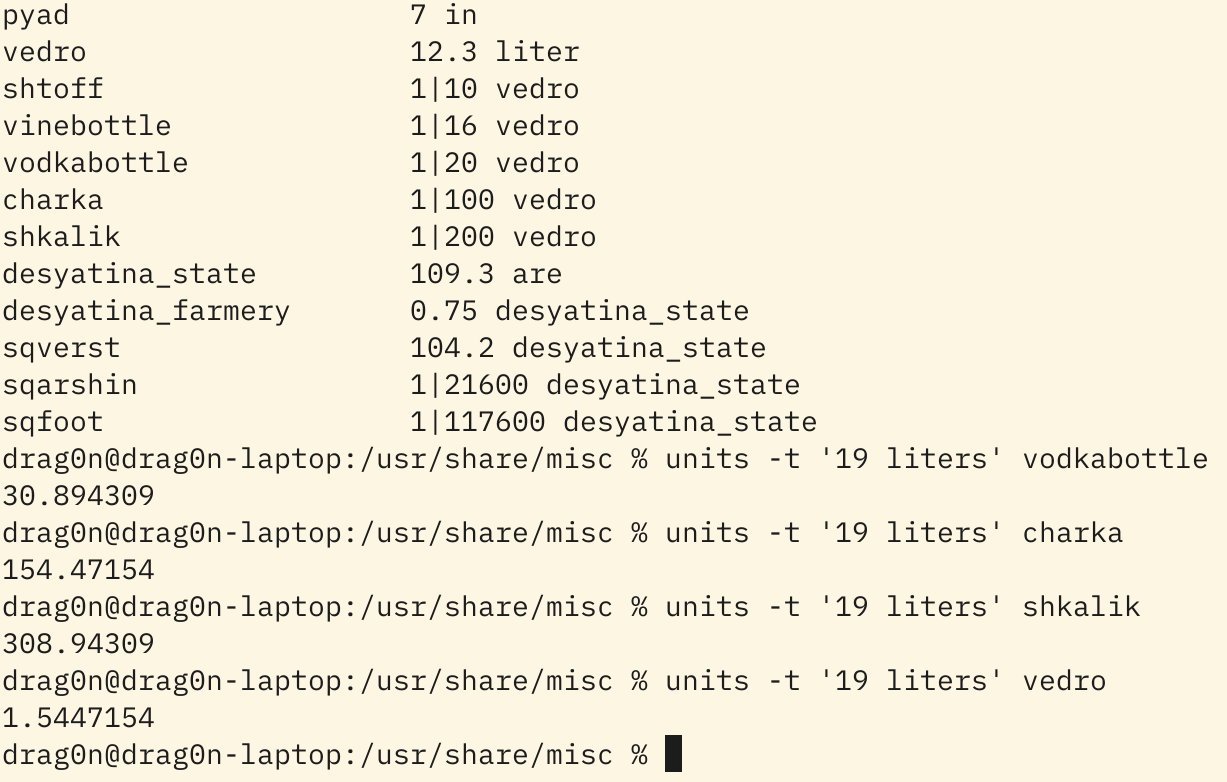
#TIL that there is a command "units" for units conversion exists. In the #BSD world it was appeared in the #NetBSD then ported to the #FreeBSD 2.2.0, according to the "History" section in the manpage.
https://jlsksr.de/notes/24100102/
At least, for now I known that 19 liters equals to 30.89 vodka bottles, or 154.47 charkas (чарок, от «чарка»), or 308.94 shkalikoff (шкаликов, от «шкалик»), or 1.55 vёder (вёдер, от «ведро»).
Conversion rules lives in the simple text file in the /usr/share/misc/definitions.units and the own rules could be written in some text file in the same manner.
Hmmm, in the comments for beforementioned post about FreeBSD on the 2008 MacBook I read about plans to make systemd analog in the FreeBSD roadmap :drgn_hide:
Am I missing something from the news :drgn_shocked:
Link to the comment (RU lang): https://habr.com/ru/articles/981214/#comment_29417996
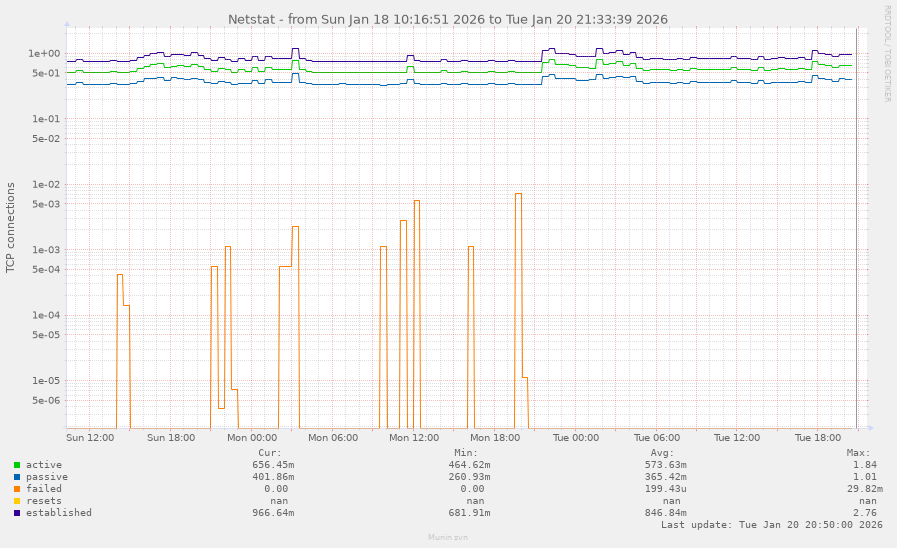
I've just blocked ICMP packets from fail2banned hosts, and blocked IPv6 completely, since it doesn't used in my network, lol :drgn_blush_giggle:
Orange graph is for netstat -s | grep 'bad connection attempts' for TCP section.
Possibly, the bad bots, who are using IPv6, had access to the my box all the time and abused it violently to find the way in :drgn_flat_sob:
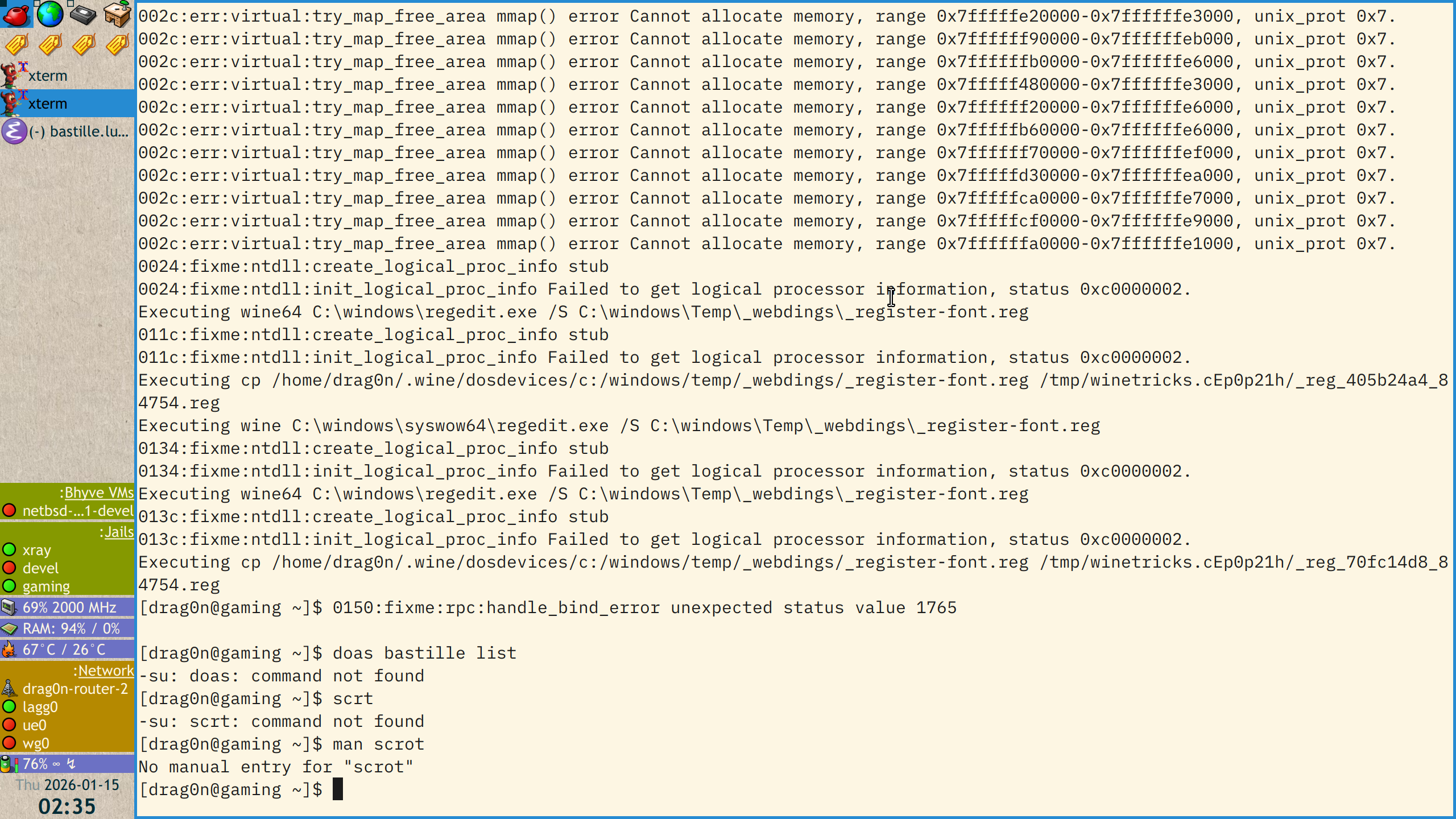
Tried to use this manual about using #wine to launch games in the #FreeBSD #jail
https://pertho.net/2025/11/07/wine-gaming-freebsd-jails/
The manual from @pertho is well-written, I was able to complete all stages without any problems, even though I was too drunk even to use clit mouse on my #Thinkpad — the cursor somehow wouldn't appear where I wanted it to, lol :drgn_blush_giggle:
BTW, it is not necessary to issue the command "xhost +" since it is too insecure. Since all necessary X server sockets and files are accessible from inside jail, the command "xhost local:" is enough. Only local connections (from local machine and from inside jail) will be accepted.
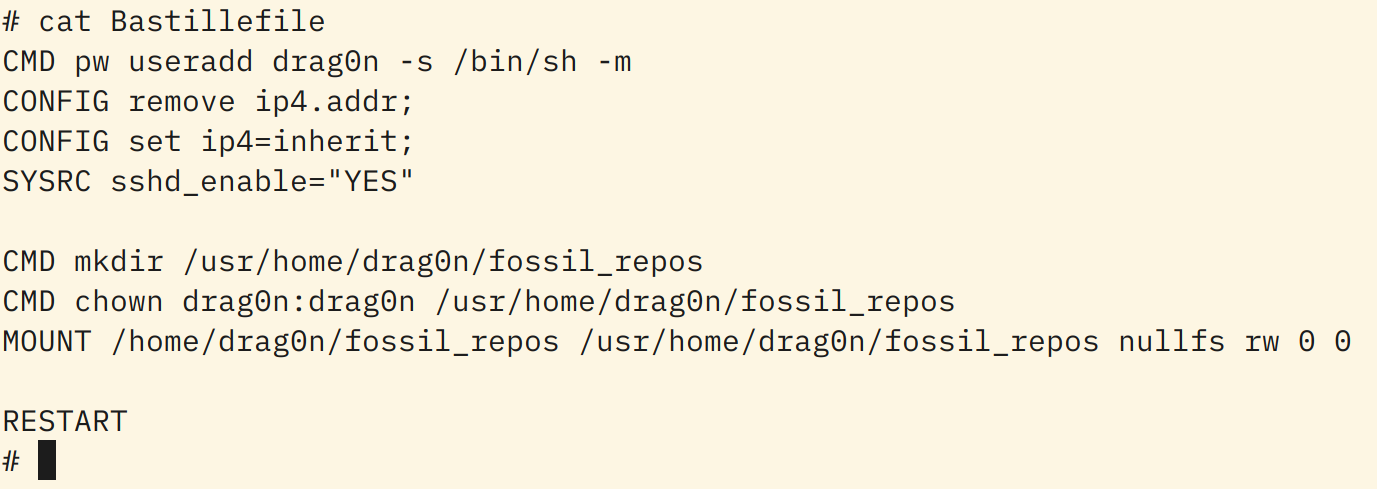
One minor edit — the command to change to owner of the user directory should be issued twice — the second time at the end of Bastillefile, instead the owner of user directory will be the root.
A question for #OpenStreetMap mappers. There is a mall in my city, which I'm using a lot and it was not mapped properly, since 2019 I think — there are a lot of non-existent amenities, a lot of new amenities don't exist on the map, and a lot of POI placed semi-randomly.
I tried to fix it "on foot" by editing and moving amenities, but it is not very easy for me with Every Door application and without JOSM (and without the big screen with a big keyboard) :drgn_flat_sob: .
So, I think about to take the official website of the mall, which has the actual information about all the stores inside and about their position inside the building — and fix the #OSM map for this mall.
But I unable to find — is it legal (in terms of OSM) to use this external source of information (floor plans for mall visitors) in OSM mapping?
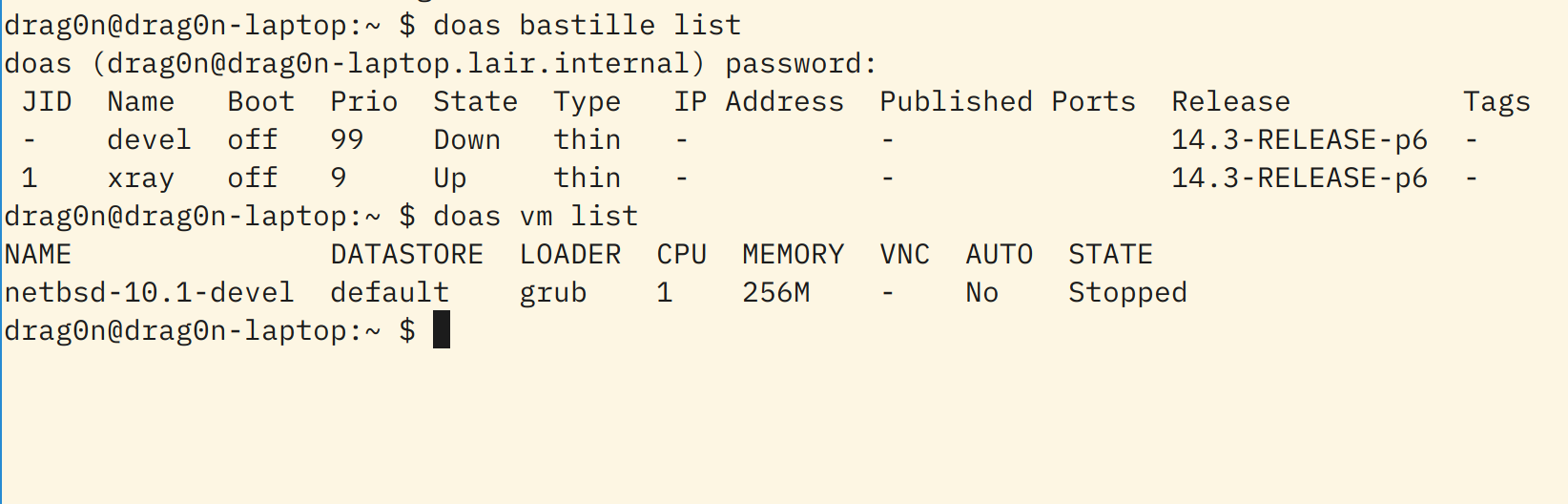
Started to touch FreeBSD jail and Bhyve VMs, using them for some programming project. Damn, if only I have such unlimited power near 15 years ago, when I was in university!
Need to have a building environment with some libraries for FastCGI and PostgreSQL installed? No problem, write a Bastillefile which enables sshd and mounts my catalog with projects inside the jail via the nullfs magic. Then create thin jail, apply this template to it and boom — I have a ready development environment with ssh access and all necessary stuff. Just connect to it and build the program, all necessary sources are already here.
Need to test program on the NetBSD? No problem — just create Bhyve VM with preinstalled netbsd template, then install OS with comp set and setup some services: Nginx, PostgreSQL, spawn-fcgi, etc… Then type C-x d /ssh:drag0n@10.0.0.2:~ in the Emacs, copy sources via Dired and I can test my program on the environment, as close as possible to the my home server.
All things looks so integrated in the OS and console software are so good, that it is incomparable with my Docker trips at work :drgn_aww: When programming become fun again :drgn_hyper:
Since, one Java application (OpenHAB) is used on my #NetBSD server I met with huge swap usage — always near 512 Mb of swap was used. This wasn't good, since I'm using SSD — I was afraid that my old SSD will wear out and die, but for now I don't have money to buy a new SSD disk :drgn_flat_sob:
Tweaked Java initial and max heap sizes (-Xms, -Xmx) and some settings for GC, to call it more often in trade of OpenHAB responsiveness — obviously it didn't help. Then I tweaked NetBSD memory management to force system to use swap only if RAM is almost full — by this cool guide: https://imil.net/NetBSD/mirror/vm_tune.html
And it doesn't help too. Suddenly for me, but looks like these settings were applied to the kernel after reboot, not after call to sysctl.
So, for now I have a system with 800-900 Mb RAM in use and ZERO swap in use :drgn_happy:
Looks like latest #NetBSD update broke the #Borg backup program.
With latest update the py312-msgpack was updated to the 1.1.1.
But the #BorgBackup (even the master branch) support only 1.0.3-1.1.0 versions of py312-msgpack :drgn_flat_sob:
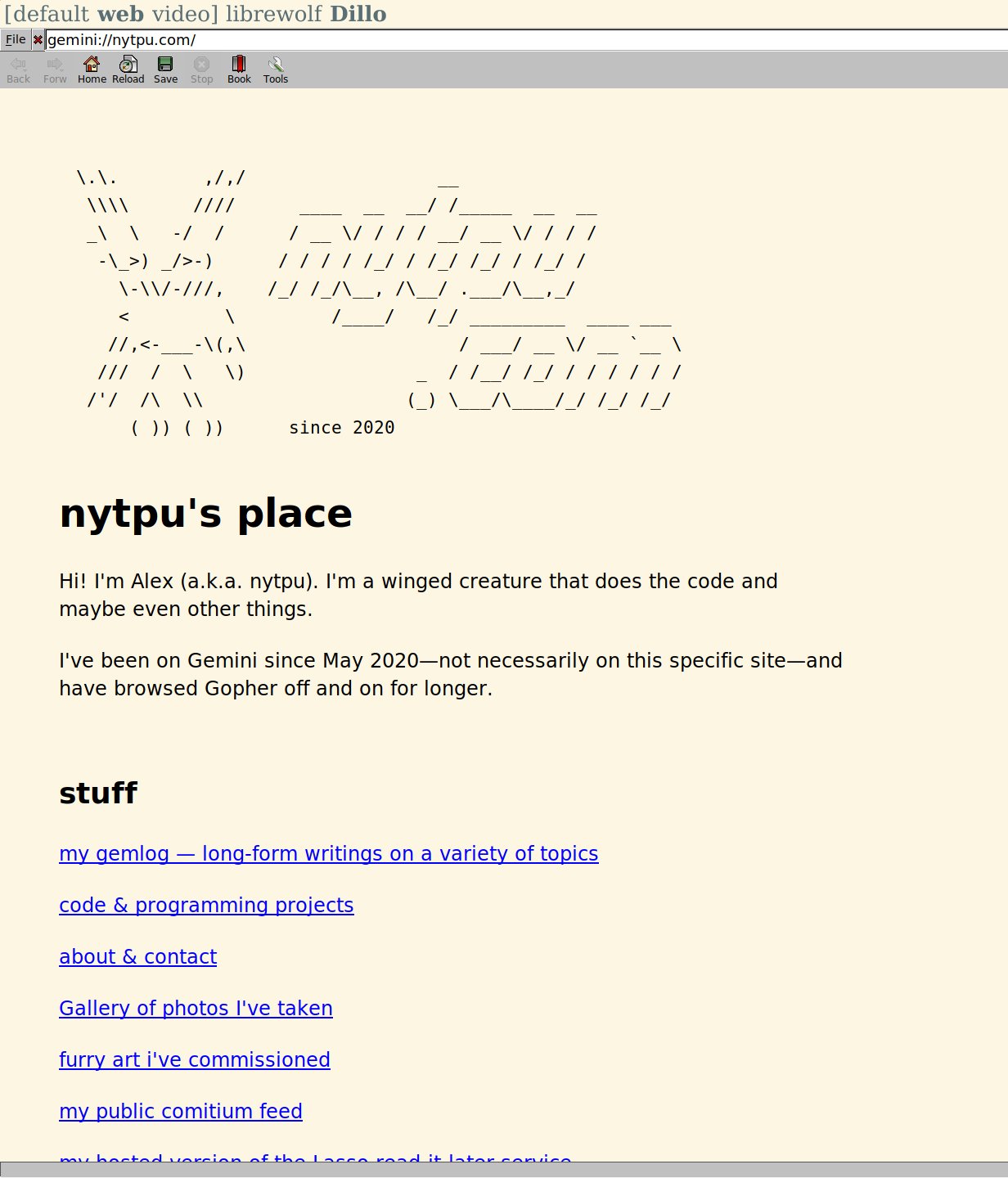
Finally, after some tweaking of https://github.com/dillo-browser/dillo-plugin-gemini I'm able to view the #Gemini sites in the DIllo, not the blank page :drgn_happy_blep:
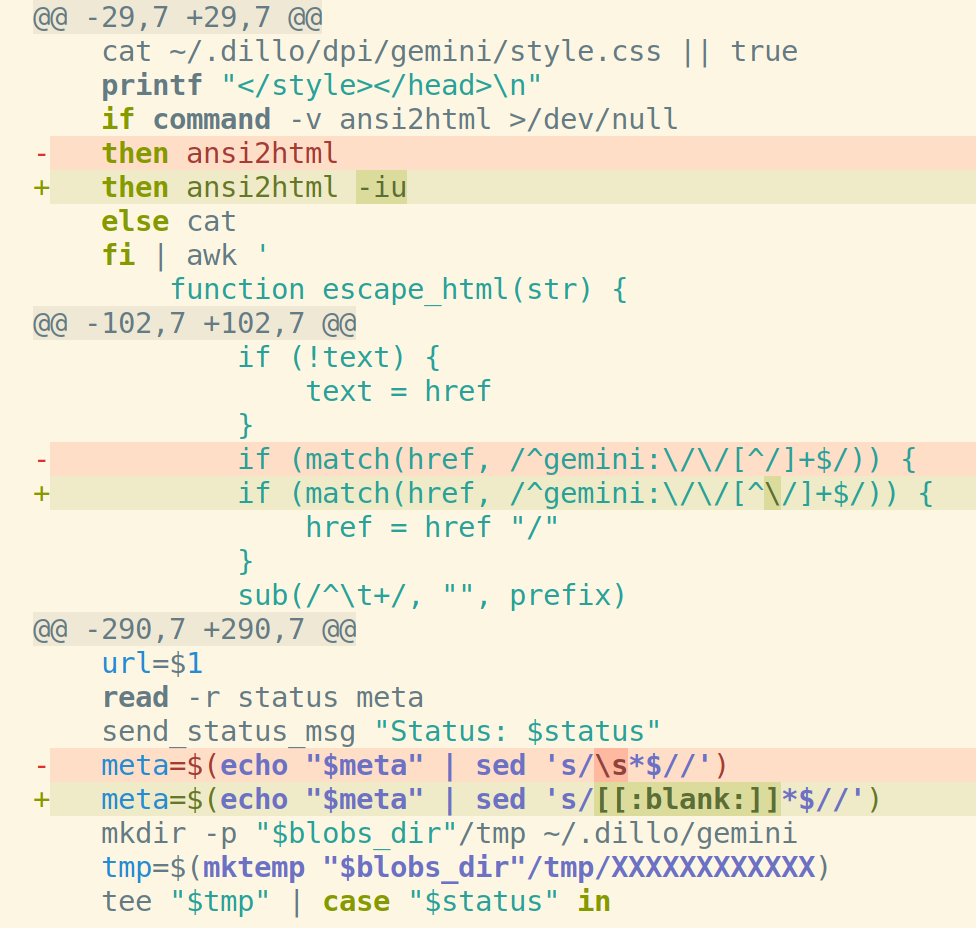
Looks like, the gemini.filter.dpi file contains some lines, which works well with GNU sed/awk but breaks with the same BSD utils:
1) according to man 7 re_format, the "\s" can't be used to specify the space character class. Instead of it the "[:space:]" should be used.
2) The forward slash inside the awk's group should be escaped.
It is interesting that both escaped and non-escaped versions works the same way with the GNU awk :drgn_think:
3) Added two options for ansi2html to avoid unwanted second header's content drawn on the page. And to have properly formatted and clickable links in the browser.